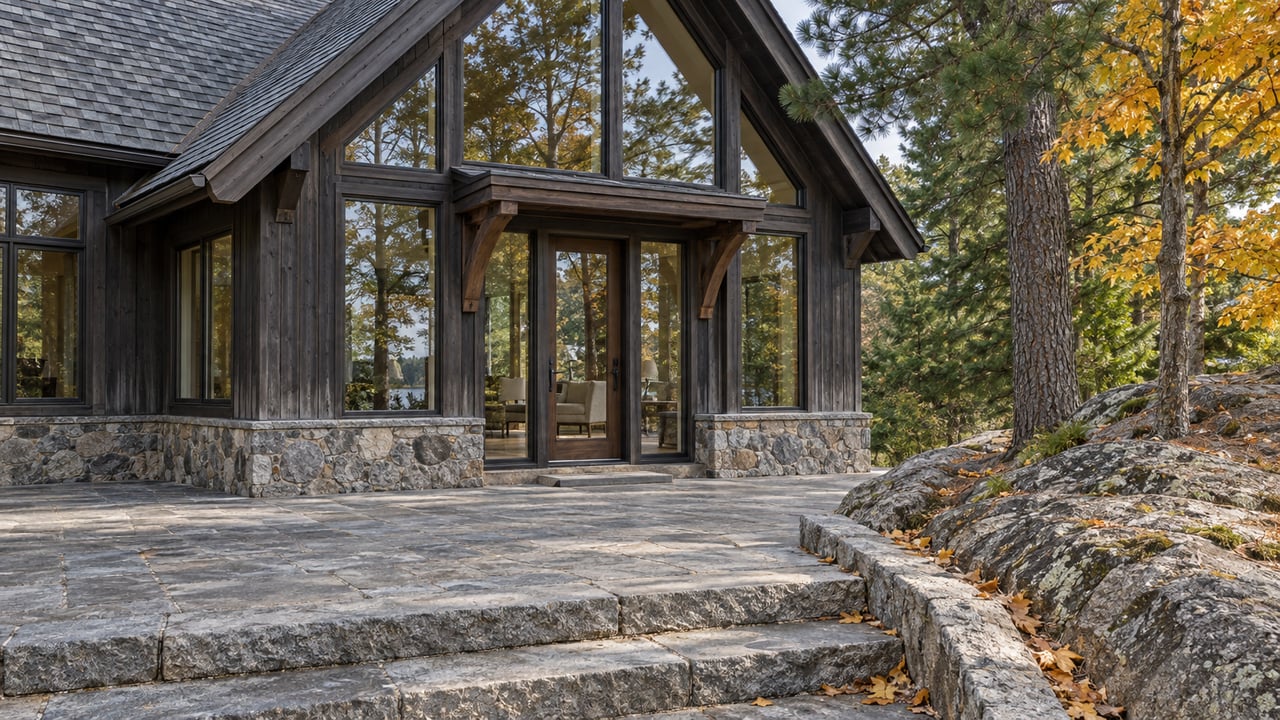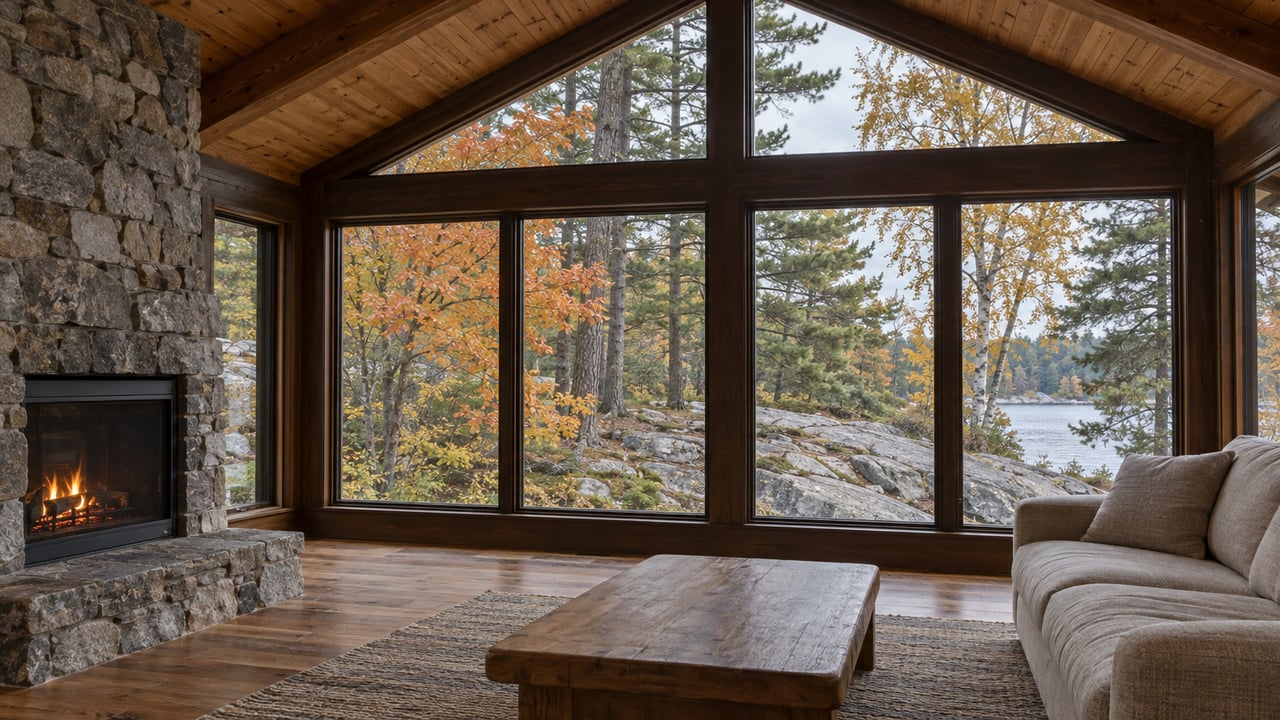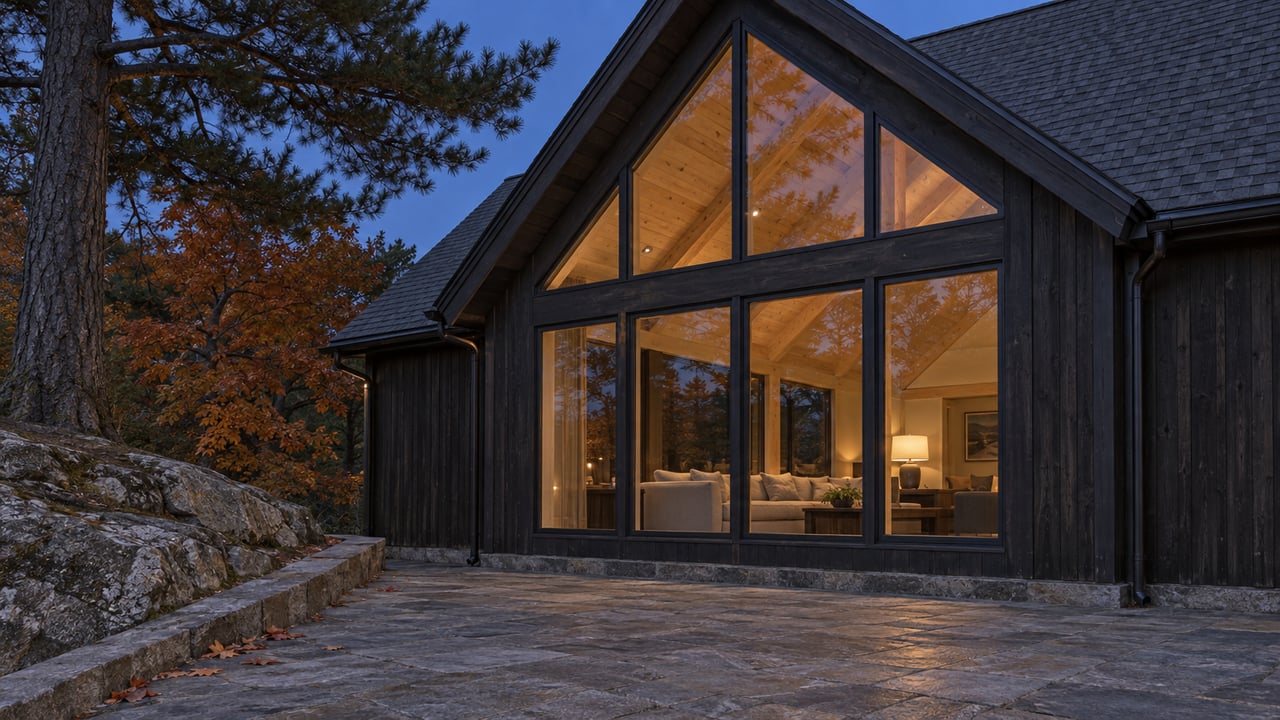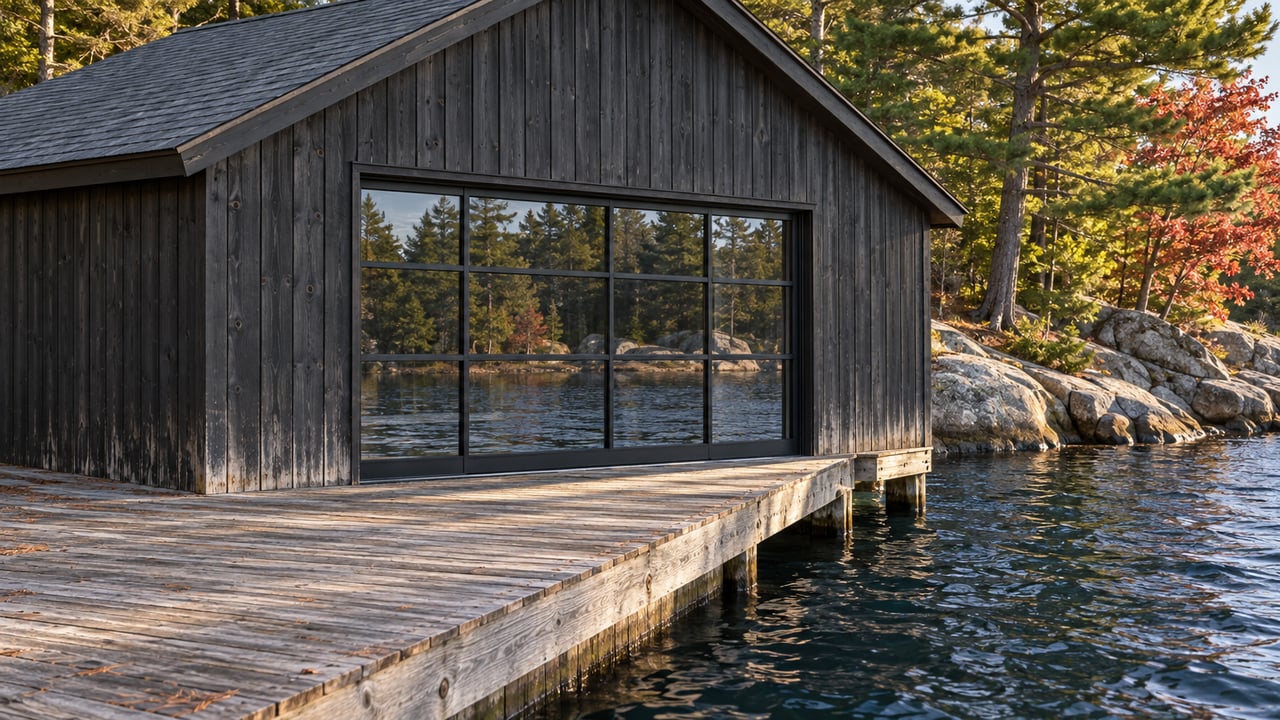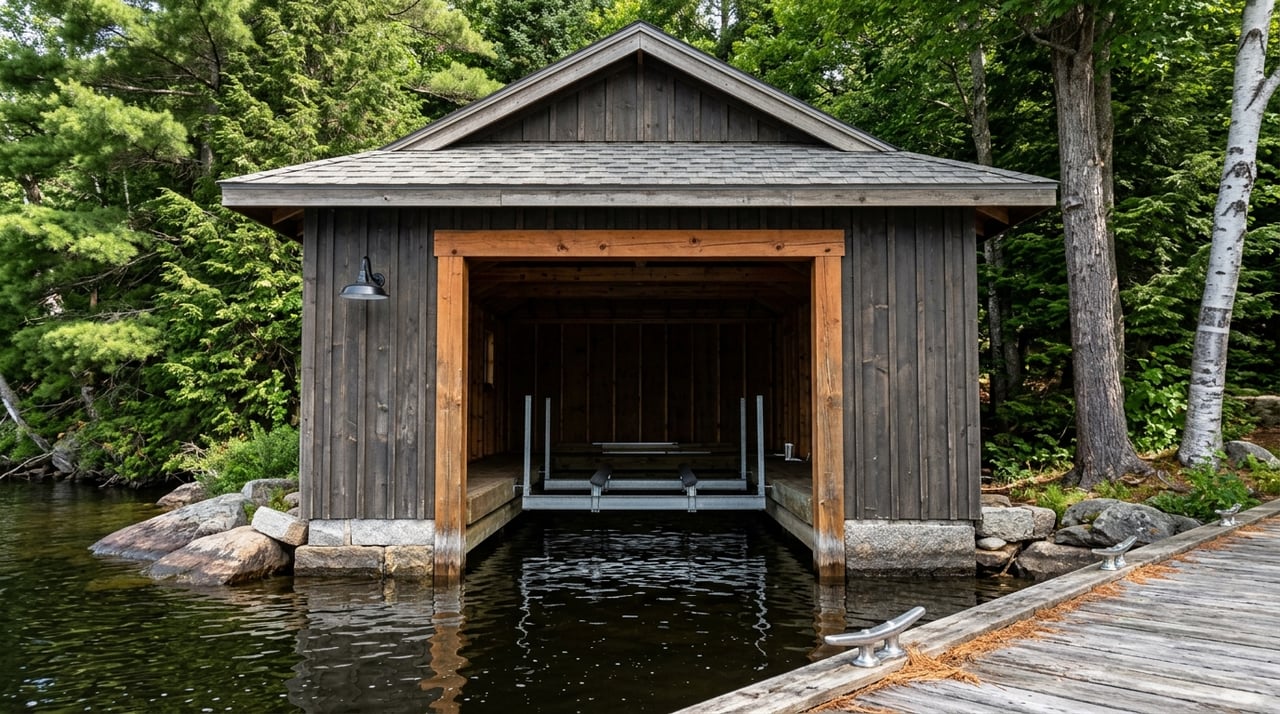
If you are planning a statement boathouse on Lake Rosseau, the design itself is only part of the story. On this lake, the most successful projects balance visual impact with local rules, shoreline stewardship, and everyday function. If you understand those pieces early, you can shape a boathouse that feels polished, practical, and truly at home on the water. Let’s dive in.
Start With the Approval Framework
On Lake Rosseau, approvals should come before detailed design work. The Township of Muskoka Lakes classifies Lake Rosseau as a Category 1, or Large, lake, which is important because that classification is the one that can allow two-storey boathouses under tighter conditions.
The Township advises property owners to confirm parcel zoning through the Muskoka Lakes web map and to use pre-consultation before moving too far into design. That matters because online by-laws are considered informational, and the Township says they should be verified against the official version.
You may also need site plan approval for waterfront development. Depending on the property and proposal, that process can regulate building location, lighting, vegetative buffers, native tree planting, and stormwater works.
When you are ready to move forward, building permits are issued through Cloudpermit. The Township also notes that accessory structures must comply with the Ontario Building Code, the zoning by-law, and all other applicable law.
For boathouse projects, there is another key step many buyers and owners overlook. The dock must be inspected and closed before the boathouse application is accepted, and some sites may also require outside approvals from MNRF, DFO, the Navigation Protection Program, or Parks Canada depending on the work proposed.
Know the Design Limits Early
A statement boathouse does not mean an oversized one. On Lake Rosseau, design ambition has to work inside clear limits on frontage, height, setbacks, and footprint.
For example, a two-storey boathouse on a Category 1 lake is only allowed if your lot has at least 91.4 meters, or 300 feet, of frontage. A single-storey boathouse can be up to 4.9 meters, or 16 feet, high, while a two-storey version can reach 7.6 meters, or 25 feet.
There are also limits on how far the structure can project into the lake. No part of the boathouse may extend more than 15.2 meters, or 50 feet, from the high-water mark.
The cumulative width of the dock plus boathouse is capped as well. It cannot exceed 25 percent of lot frontage or 22.3 meters, or 75 feet, whichever is less.
If your design includes a sundeck or a second storey, the by-law treats the structure as a two-storey boathouse. That triggers side-yard and rear-yard setbacks of 9.1 meters, or 30 feet, which can significantly affect the massing and placement of the building.
Understand What the Upper Level Can Include
One of the most common mistakes in early boathouse planning is assuming the upper level can function like a separate guest house. On Lake Rosseau, the permitted program is much narrower.
Where a second storey is allowed, it may contain a sleeping cabin, a covered area, and a sundeck. No structure is permitted above that level.
The first storey is limited to boat shelter, related marine uses, and a modest support area such as a washroom, utility space, or sauna. A dwelling unit is not permitted, and a hot tub is not permitted either.
On lots with at least 122 meters, or 400 feet, of frontage, the by-law allows a larger upper-level area. In that case, you may have up to 60.4 square meters, or 650 square feet, of habitable or covered space plus 23.2 square meters, or 250 square feet, of covered area.
Taken together, these rules push design in a very specific direction. The strongest boathouses on Lake Rosseau usually feel low, efficient, and horizontally scaled, rather than bulky or overbuilt.
Site the Boathouse for the Shoreline
A beautiful boathouse starts with a smart shoreline fit. The Township’s Official Plan says shoreline structures should be oriented to minimize congestion on the waterbody, which means placement is about more than your own lot line.
The Official Plan also calls for a shoreline buffer at least 15.2 meters, or 50 feet, wide within the front-yard setback. It says the vegetative buffer should stretch across the full waterfront and be at least 15 meters deep.
For new lots or vacant lands being developed, the plan seeks at least 75 percent natural shoreline within a 20 meter shoreline setback area. It also calls for retaining or restoring existing shoreline vegetation with native trees and shrubs.
At the same time, the plan does allow shoreline structures such as docks and boathouses within the vegetative buffer, subject to the Official Plan and zoning by-law. In practice, that means your project needs to do two things well at once: create useful waterfront access and respect the natural shoreline pattern.
Why Vegetation Matters on Lake Rosseau
On a lake like Rosseau, shoreline vegetation is not just cosmetic. Muskoka Water Web explains that vegetated shorelines help reduce erosion, filter runoff, protect habitat, and buffer wave and ice impacts.
That has design implications from the start. If you are thinking about paths, landings, stairs, or service access down to the boathouse, it helps to plan those elements around a naturalized shoreline rather than treating the shoreline as a cleared foreground.
This often leads to a more timeless result. A boathouse framed by retained trees, native shrubs, and a stable shoreline usually feels more rooted in Muskoka than one that competes with the landscape.
Plan for Water Levels and Seasonal Use
Everyday performance matters just as much as appearance. The Township notes that lake levels in the Joseph and Rosseau system are managed through the Port Carling and Bala dams, so it is wise to think about seasonal water variation when planning stairs, dock elevations, and boat-handling hardware.
That does not change the by-law limits, but it should shape your practical decisions. A statement boathouse should be easy to use when water levels shift through the season, when spring conditions are wet, and when shoulder-season access gets colder and less forgiving.
This is where a carefully planned layout pays off. Slip width, lift placement, docking approach, storage organization, and landing transitions all affect whether the building feels effortless in daily use.
Choose Materials That Feel Right for Muskoka
A standout boathouse on Lake Rosseau does not need to feel flashy. In many cases, the most memorable design comes from restraint, durable materials, and a strong regional palette.
A Muskoka design manual for parks and open-space structures recommends materials that align closely with the area’s established visual language. That includes mechanical-lock or standing-seam metal roofing, local white cedar or Canadian Douglas fir, granite accents, and timber construction.
While that manual is not a boathouse by-law, it is a useful guide to what tends to feel durable and locally appropriate. These materials also suit the demands of waterfront ownership, where moisture, sun, wind, and freeze-thaw cycles reward simpler, lower-maintenance choices.
If you want the building to make a statement, think less about excess and more about composition. Timber structure, natural stone touches, well-proportioned glazing, and a clean roofline often create a stronger long-term impression than added bulk.
Keep Lighting Under Control
Lighting is one of the easiest ways to undermine an otherwise elegant waterfront design. On Lake Rosseau, the Dark Sky by-law adds clear limits that support a quieter nighttime shoreline.
Full-cut-off fixtures are required, and outdoor lights are generally expected to be no warmer than 2700 K. On waterfront residential properties, nighttime limits still allow only limited dock and path lighting, along with up to three lights on a boathouse.
That means a statement boathouse should rely on thoughtful lighting, not abundant lighting. The goal is safe use and subtle emphasis, not glare across the water.
Done well, restrained lighting actually adds to the experience. It keeps the shoreline calm, protects views from the lake, and lets the building settle naturally into the evening landscape.
Build for Function First
The zoning by-law makes it clear what a boathouse is meant to do. At its core, it is for storing and sheltering boats, supporting related marine use, and handling modest utility functions tied to waterfront living.
That practical focus can be a strength. When the plan is organized around boat movement, wet gear, utility needs, and simple support spaces, the design tends to feel more refined and less forced.
A functional Lake Rosseau boathouse often includes:
- Clear and efficient boat access
- Durable surfaces that handle wet traffic well
- Organized storage for marine equipment
- Modest utility or washroom space where permitted
- A layout that reduces clutter on the dock
- Materials and fixtures chosen for low maintenance
In other words, the statement comes from how well the structure works. Beauty on the waterfront usually follows from proportion, use, and discipline.
What Buyers and Owners Should Keep in Mind
If you are evaluating a Lake Rosseau property with plans for a future boathouse, it helps to look beyond the shoreline view. Frontage, zoning, existing dock conditions, setbacks, shoreline vegetation, and approval pathways all shape what may actually be possible.
This is especially important for buyers pursuing a lot acquisition or custom build. Two properties may look similar from the water, yet offer very different options for boathouse scale, upper-level use, and site layout.
That is where local guidance matters. Understanding the rules early can help you avoid wasted design effort and focus instead on a boathouse that fits the property, the lake, and your long-term plans.
If you are exploring a Lake Rosseau purchase, planning a custom waterfront build, or assessing how a future boathouse could influence value and enjoyment, The Blair Group can help you approach the opportunity with local insight and discretion.
FAQs
What approvals are needed for a boathouse on Lake Rosseau?
- A boathouse project may involve zoning review, pre-consultation, a building permit through Cloudpermit, possible site plan approval, dock inspection and closure, and in some cases external approvals depending on the site and work proposed.
What lot frontage is required for a two-storey boathouse on Lake Rosseau?
- On a Category 1 lake such as Lake Rosseau, a two-storey boathouse is only allowed where the lot has at least 91.4 meters, or 300 feet, of frontage.
What can a second storey boathouse include on Lake Rosseau?
- Where permitted, the second storey may include a sleeping cabin, a covered area, and a sundeck, while the first storey is limited to boat shelter, related marine uses, and small support spaces such as a washroom, utility area, or sauna.
How far can a Lake Rosseau boathouse extend from shore?
- No part of a boathouse may extend more than 15.2 meters, or 50 feet, from the high-water mark.
Why does shoreline vegetation matter for a Lake Rosseau boathouse?
- Vegetated shorelines help reduce erosion, filter runoff, protect habitat, and buffer wave and ice impacts, which is why shoreline buffers and vegetation retention are important parts of waterfront planning in Muskoka.
What lighting rules apply to boathouses on Lake Rosseau?
- The Dark Sky by-law requires full-cut-off fixtures, generally expects outdoor lights to be no warmer than 2700 K, and allows only limited dock and path lighting plus up to three lights on a boathouse for waterfront residential properties.