Wondering when to sell your Lake Muskoka cottage? You are not alone. Timing can shape how many buyers see your property, how well the waterfront shows, and how smoothly your sale comes together. If you are planning a move, a legacy transition, or simply testing the market, the right launch window can make a meaningful difference. Let’s dive in.
Why timing matters on Lake Muskoka
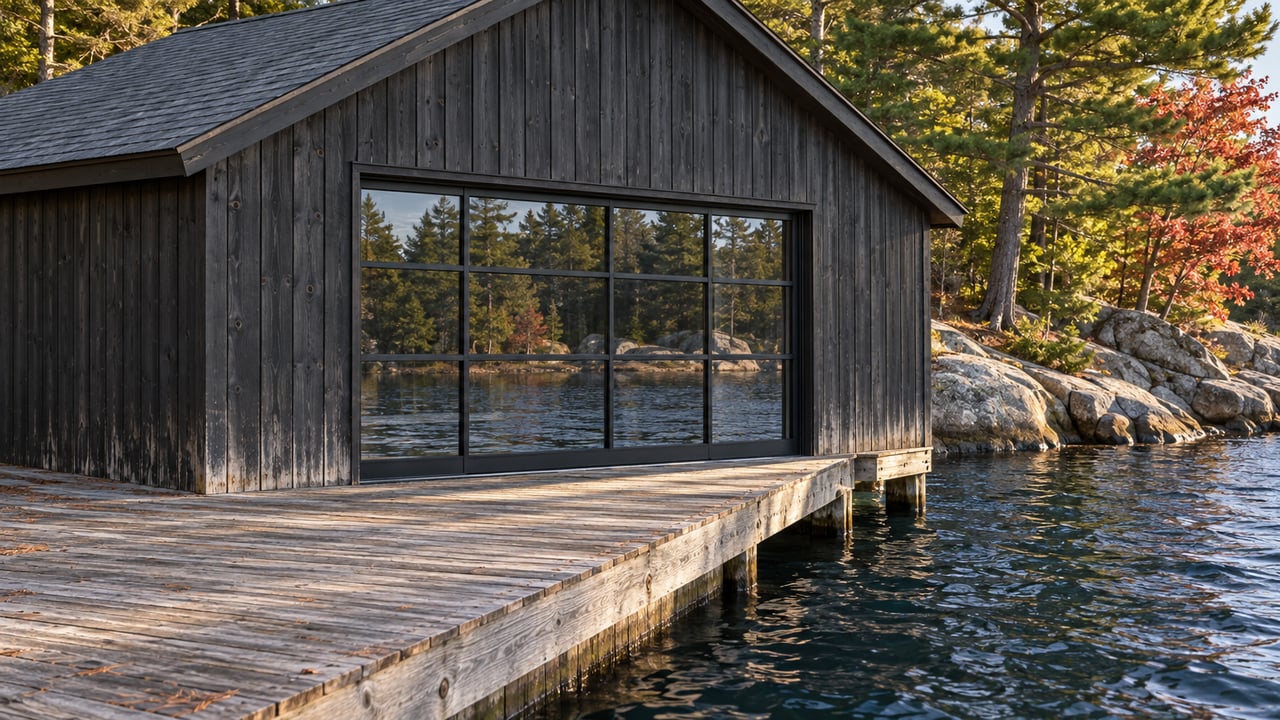
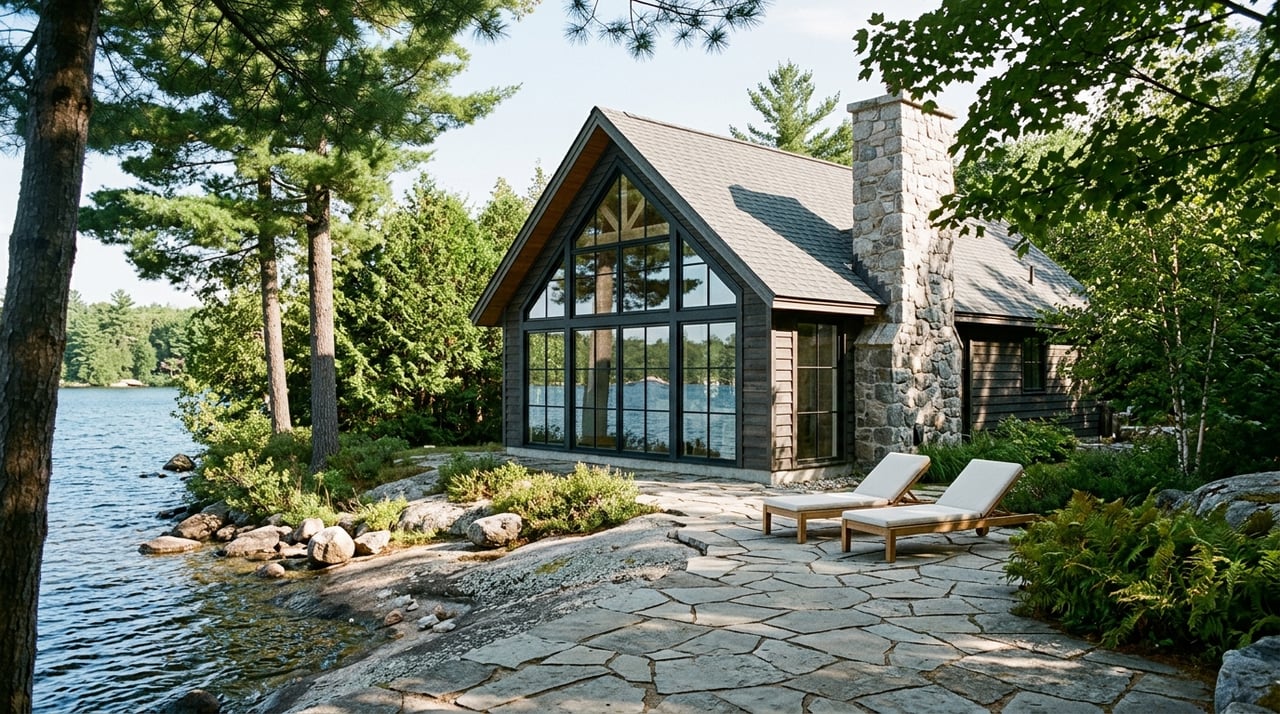
Selling a Lake Muskoka waterfront cottage is different from selling a typical home. Buyers are not just evaluating bedrooms and square footage. They are also looking closely at shoreline condition, dock setup, lake access, views, and how the property feels from the water.
That matters in Muskoka because the waterfront experience is central to the product itself. The Township of Muskoka Lakes maintains municipal docks, boat launches, and access points on Lake Muskoka, which reflects how important on-water use is across the region. When buyers tour a cottage here, they are often imagining the full lake lifestyle, not just the structure on land.
What the market says now
The broader Muskoka & Area waterfront market gives useful context for Lake Muskoka sellers. According to CREA waterfront statistics for Muskoka & Area, there were 874 waterfront sales in 2025, up 4.3% from 2024. At the end of Q4 2025, waterfront inventory sat at 9 months, median days on market were 51, and the median waterfront sale price was $850,000, up 3% year over year.
Those numbers tell a balanced story. Buyer activity is there, but inventory is still meaningful relative to sales. In practical terms, timing alone will not do all the work. You also need strong preparation, clear documentation, and a launch strategy that helps your property stand out.
Spring is often the key launch window
If your cottage is ready, spring is usually the most important time to consider. CREA’s national spring-market reporting noted a pickup in new supply in March 2024, a burst of sales late that month, and another jump in listings in early April. In March 2026 housing commentary, CREA again described February as quiet and said the main event does not really get going until around April.
For you, that means late winter and early spring can be the ideal time to prepare and launch. Buyers often start planning seriously before summer arrives. A well-positioned listing can meet that demand just as attention returns to the market.
Why spring works well
Spring can offer a useful blend of momentum and visibility. Your listing may benefit from:
- Increased buyer activity as the market wakes up
- Fresh inventory attention before the busiest summer stretch
- Better conditions for property access and photography than mid-winter
- More time to close before peak summer use
If your property is show-ready by then, spring often gives you a strong balance of market energy and practical selling conditions.
Summer can highlight the waterfront best
Sometimes the best time to sell is not the earliest possible date. It is the moment when your property shows at its strongest. On Lake Muskoka, summer and early fall can make that especially important.
Muskoka Lakes is a four-season destination, but waterfront features are easiest to assess when the lake is open and outdoor spaces are in full use. Buyers can better understand swimming access, dock layout, shoreline character, boating ease, and how the cottage lives outside. If those are major selling points for your property, waiting for peak visual presentation may be worth it.
When summer may be the better choice
A summer launch may make sense if:
- Your dock or shoreline needs work before showings
- Landscaping or exterior cleanup is still underway
- The cottage is used mainly for warm-weather enjoyment
- Your marketing will rely heavily on waterfront visuals and on-water tours
In other words, a polished summer debut can outperform a rushed spring listing.
Fall listings can still attract serious buyers
Fall is sometimes overlooked, but it can still work well for the right seller. By that point, many buyers have spent time in Muskoka over the summer and know what they want. They may be motivated to secure a property before the next season.
The tradeoff is that daylight shortens, temperatures shift, and some waterfront features may not be as easy to experience. If you list in fall, your presentation needs to be especially clear. Strong photography, organized property details, and easy showing logistics matter even more.
Can you sell in winter?
Yes, but the story changes. Muskoka is not only a summer market. The Township highlights year-round visitation and business activity, which supports the idea that off-season buyers are still active.
That said, winter buyers may need more imagination. Snow cover can hide shoreline details, docks may be out of the water, and frozen conditions can make access or orientation harder to assess. A winter listing does not automatically hurt price, but it does place more weight on visuals, documentation, and thoughtful property presentation.
Prep often matters more than the calendar
One of the biggest mistakes sellers make is focusing only on the month of listing. On Lake Muskoka, prep can matter just as much as market timing. If the property is not fully ready, launching too soon may create avoidable friction.
A cleaner launch usually helps buyers feel more confident. It also supports better marketing and a smoother showing experience. That is especially true for waterfront properties, where operational details can quickly affect a buyer’s impression.
Key prep items to review
Before you choose your list date, it helps to look at:
- Septic records and inspection timing
- Dock condition and placement
- Shoreline cleanup and drainage
- Access conditions, including road or water access
- Exterior repairs and waterfront safety items
- Photography and video timing
If several of those items are still unresolved, it may be smarter to delay and launch in stronger form.
Septic timing can affect your schedule
For many waterfront properties, septic planning is a real timing factor. The Township of Muskoka Lakes runs a Sewage System Maintenance Inspection Program between May and October, with a public information session each spring ahead of the next phase. The township notes that waterfront systems 10 to 30 years old are considered moderate risk, while waterfront systems over 30 years old or those without permit records are considered high risk.
There is also an important timing detail: if a tank is pumped before inspection, it must be done at least six weeks in advance. Water-access-only properties are handled differently as well, with notices mailed to the mailing address on file. If your cottage may need septic documentation or coordination, that process should start early.
How much lead time should you allow?
As a practical rule, give yourself extra runway if septic information is incomplete. You do not want to be rushing paperwork or scheduling in the middle of a listing launch. Starting the review process in late winter or early spring can help you avoid delays later.
Check shoreline, drainage, and access conditions
Waterfront prep is not just about the cottage itself. It is also about what buyers see and experience when they arrive. In July 2025, the Township issued a flood-outlook advisory that warned of higher-than-normal water levels, flooded or impassable access roads, and the need to secure vulnerable property near lakes and rivers.
That does not mean every seller will face those issues. It does mean you should inspect the practical parts of your property before photography and showings, especially after spring melt or heavy rain. Shoreline wear, dock movement, drainage problems, and access issues are all easier to address before your listing goes live.
Spring versus fall: which is better?
For most ready sellers, spring has the edge. Market activity often begins to re-accelerate around March and April, which can give your listing exposure at the right moment. If your cottage is already prepared, spring may offer the clearest path to early attention.
Fall can still be a smart choice if your property showed beautifully over the summer or if spring timing was missed. The key difference is that fall often requires sharper presentation and more buyer commitment. You may see serious interest, but less casual browsing.
A practical timing strategy for Lake Muskoka
If you want a simple framework, think about timing in two steps: prepare first, then launch when your property can fully support the story you want to tell. The calendar matters, but readiness matters more.
For many sellers, the most practical path looks like this:
- Begin planning in late winter.
- Review septic, shoreline, dock, and access details early.
- Prepare photography and marketing assets before the busy window.
- Launch in spring if the property is fully ready.
- Wait for summer if the waterfront needs to be seen at its best.
That approach aligns with current market patterns and the realities of Muskoka waterfront ownership. It helps you avoid going live half-finished while still aiming for the strongest buyer audience.
The right timing depends on your property
No two Lake Muskoka cottages are exactly alike. A turnkey family property with a clean dock, good records, and easy access may be ready for an early spring launch. A legacy cottage that needs cleanup, updated documentation, or more careful planning may benefit from a later timeline.
That is why timing should never be treated as a one-size-fits-all rule. The best result usually comes from matching market conditions with your property’s real readiness, visual strengths, and sale goals.
When you are weighing that decision, local context matters. From launch timing to on-water presentation to discreet marketing strategy, a tailored plan can help you protect value and tell the right story. If you are considering a sale on Lake Muskoka, The Blair Group can help you request a confidential valuation or exclusive listing preview.
FAQs
Is spring the best time to sell a Lake Muskoka waterfront cottage?
- Spring is often a strong launch window because market activity typically begins to pick up in March and April, especially if your property is fully prepared.
Is fall a good time to list a Lake Muskoka cottage?
- Fall can still work well, especially for serious buyers, but your marketing, photos, and property documentation need to do more of the heavy lifting.
Do winter listings hurt the sale price of a Muskoka waterfront property?
- Not necessarily, but winter listings can make it harder for buyers to assess shoreline, docks, and outdoor living features, so presentation becomes even more important.
How early should you start septic planning before selling a Lake Muskoka cottage?
- If septic records are incomplete or an inspection may be needed, it is wise to start early because township inspections run from May to October and pumped tanks must be handled at least six weeks before inspection.
How much does seeing the lake in season matter to Lake Muskoka buyers?
- It can matter a great deal because buyers often want to evaluate dock access, shoreline character, swimming areas, and outdoor living spaces when the lake is open and in active use.
What should you fix before listing a waterfront cottage on Lake Muskoka?
- Focus on high-visibility items like dock condition, shoreline cleanup, drainage concerns, access issues, and any missing septic or property documentation before you launch.