Thinking about an island cottage on Lake Rosseau and seeing “water-access only” in the listing? It sounds romantic until you picture groceries, guests, and winter plans. You want the Muskoka lifestyle without surprises, and you deserve clear, practical answers before you buy. This guide breaks down what water-access only means on Lake Rosseau, how daily life works, and what to verify before you write an offer. Let’s dive in.
What water-access only means on Lake Rosseau
“Water-access only” means there is no year-round motor vehicle route directly to the cottage. You reach the property by boat, water taxi, private shuttle, or when safe in winter, by snowmobile or ATV. On Lake Rosseau, this includes most islands, some peninsulas without road access, and mainland parcels where the real access is a dock or boathouse with parking located elsewhere.
Common access types
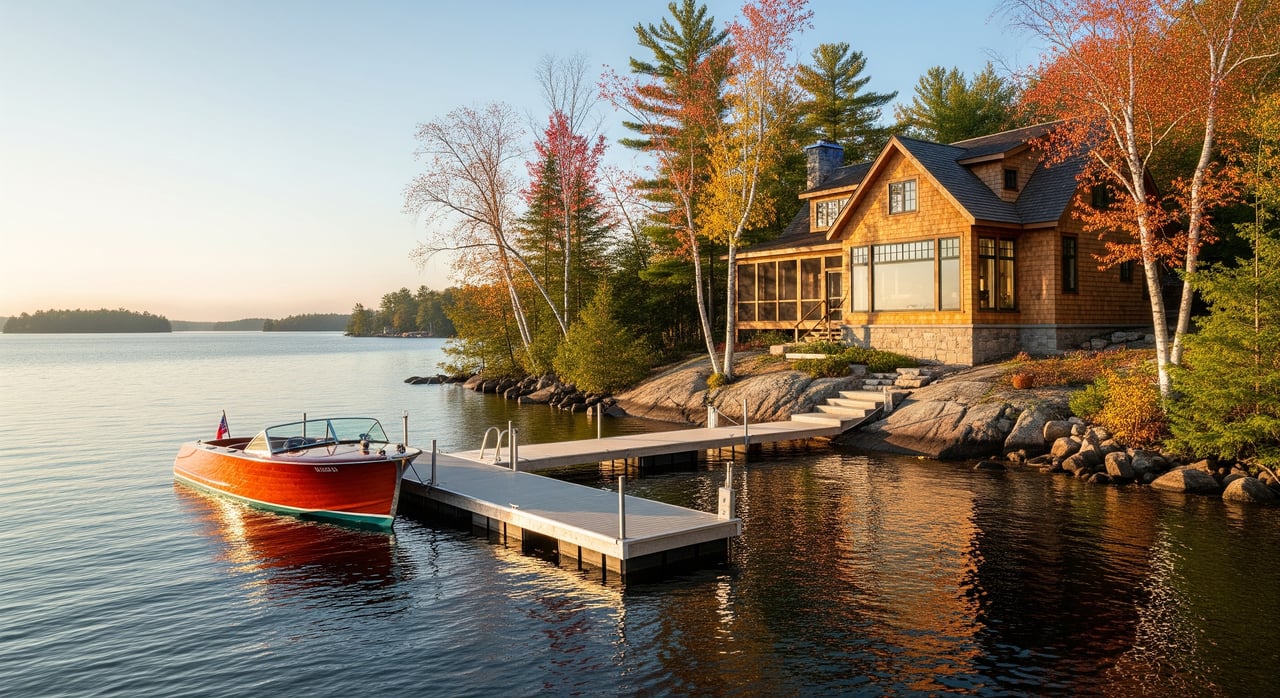
- Private dock at the property. You control docking and access, which simplifies arrivals and deliveries.
- Shared or association dock. Use is set by agreements or association rules. Review these carefully.
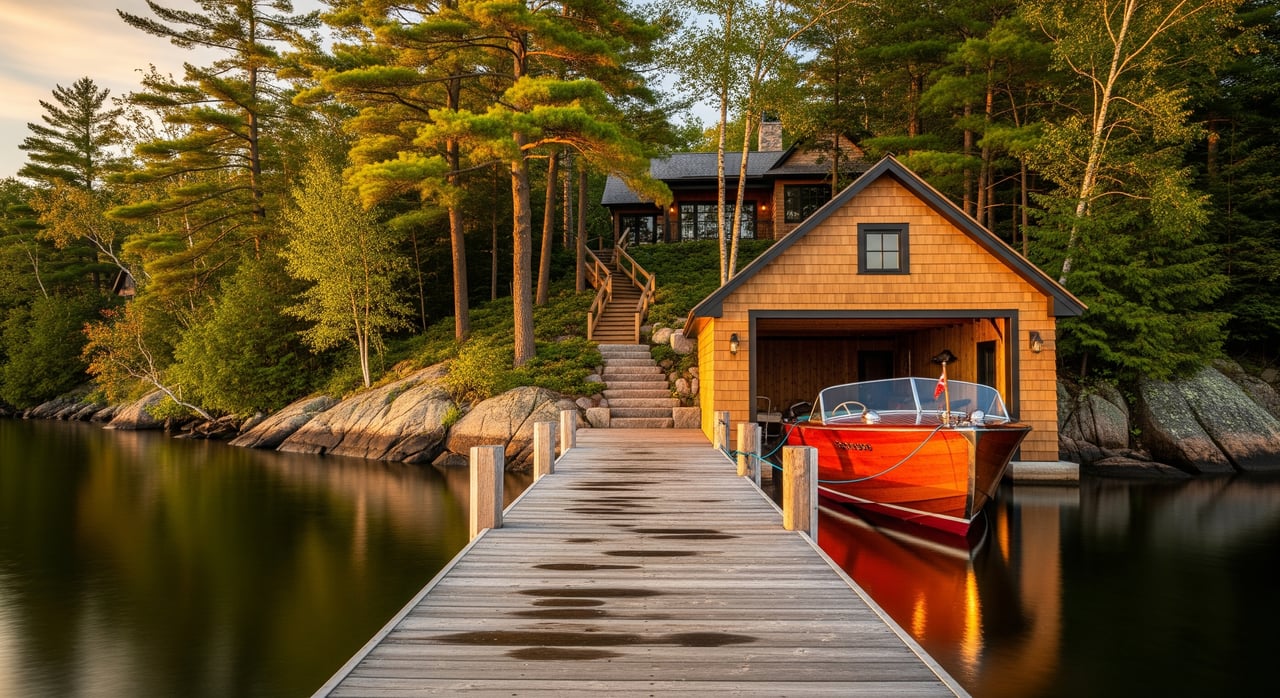
- Boathouse-only access. You land at the boathouse, then walk up stairs or a short path to the cottage. Parking may be on the mainland.
- No fixed dock. Shoreline-only access makes loading, unloading, and winter access more complex.
- Water taxi or shuttle reliance. You do not keep a boat and plan to use local services. Confirm schedules, costs, and policies.
What it means day to day
- More planning time. Groceries, medical visits, and contractor appointments all include a boat leg.
- Seasonal limits. Dock removal and ice affect routines, maintenance, and access.
- Service logistics. Utilities, waste, deliveries, and repairs require water-based coordination.
Daily logistics: how you actually live
Transportation
Most owners use a private runabout or pontoon in fair weather. Water taxis and private shuttle operators serve Lake Rosseau, but hours, frequency, and policies vary. In peak summer, boat traffic near hubs like Port Carling and Bala can add time. In winter, some owners use snowmobiles or ATVs on ice only when conditions are verified safe.
Parking and boat storage
Parking can be a private driveway at a boathouse or a designated offsite spot tied to the property. Street or municipal parking is not guaranteed, so confirm arrangements on title or by agreement. Boat storage might be an onsite boathouse, a seasonal marina slip, and dry or indoor winter storage. Book haul-out and launch early, as spring and late summer slots fill quickly.
Utilities and waste
Electricity may come from an underwater cable, overhead lines to a shoreline point, generator-only, or a generator-plus-solar setup. Potable water often comes from cistern delivery or rainwater with treatment, with drilled wells being less common on islands. Wastewater is typically a septic system or holding tank, so verify pump-out access and service schedules. Garbage and recycling are owner-transported to a mainland transfer station or handled by paid services.
Connectivity
Traditional wired internet is limited on many islands. Many owners rely on cellular LTE or satellite for reliable service. Check coverage and provider options at the exact cottage location. Television service typically comes through satellite or internet streaming.
Deliveries and mail
Parcels usually go to a mainland address, marina, or boathouse rather than directly to the island. Some owners coordinate grocery or parcel transfers with water taxis or marina staff. Mail service is often to a PO box or a mainland pickup point.
Seasons, safety, and emergency access
Summer
July and August bring heavy boat traffic, so add time to every trip. Schedule contractors and service visits with this in mind. Some in-water repairs or shoreline work are limited to specific months, and you should confirm local permitting before starting.
Spring and fall
Freeze-thaw cycles and water level changes affect docks and approach routes. Many docks are seasonal and pulled each fall, so plan installation and removal in advance. Lower water late in the season can expose shoals and alter safe approach lines.
Winter
Ice conditions are variable and changing. There are rarely official ice roads on Lake Rosseau. Some owners travel by snowmobile for short distances only when ice thickness is verified by local knowledge and current conditions. Many cottages close for part of the winter.
Emergency response
Expect longer response times compared to road access. 911 calls route to local dispatch, with OPP marine units, the Muskoka Lakes Fire Department, and District paramedic services responding as needed. In life-threatening cases, air ambulance may be used. Keep a well-maintained boat, lifejackets, reliable communication, and a written emergency plan that lists the fastest pickup points for rescue crews.
Permits, insurance, and financing
Permits and shoreline work
Dock or boathouse construction and significant shoreline changes typically require municipal permits. Work below the high-water mark can trigger provincial or federal notifications. Local zoning controls setbacks, tree protection, and lot coverage. Always check with the relevant planning and building departments before you build or alter.
Health and environmental oversight
Septic systems and potable water systems are regulated by the local health unit. Ask for approvals, inspection records, and maintenance schedules. Confirm how pump-outs happen from your specific location.
Insurance
Insurers view water-access properties as higher risk due to delayed response, boat use, and seasonal vacancy. Expect different premiums and underwriting requirements than a similar road-access cottage. Maintenance logs, pump-out records, water tests, and dock condition can affect coverage and cost.
Financing and title
Some lenders require year-round road access for conventional mortgages, while others will finance seasonal, water-access cottages. Work with lenders who are familiar with Muskoka cottages. Title reviews should confirm easements, riparian rights, dock ownership, and any shared access agreements that affect daily use and future resale.
Local governance and associations
Local associations often share best practices for safe boating, shoreline stewardship, and trusted service providers. They are helpful resources for seasonal advisories and community norms.
Buyer checklist for a Rosseau water-access cottage
- Ownership and legal. Confirm the legal description, where parking sits on title, and any easements or shared dock agreements.
- Travel time. Time a boat trip from a reliable land point in peak summer and off-peak conditions.
- Dock responsibility. Verify who owns and maintains the dock, boathouse, and any stairs or shore paths.
- Parking. Confirm location, capacity, rights, and whether spaces transfer with the property.
- Boat storage. Review slip contracts, winter storage plans, and transferability.
- Electricity. Identify power source and age or certification of any underwater cable.
- Water. Determine potable water source and ask for recent water quality tests.
- Wastewater. Confirm system type and last inspection or pump-out date, plus how trucks access service points.
- Internet and cell. Test signal strength and list available providers.
- Dock schedule. Note installation and removal months and who manages the process.
- Shoreline history. Ask about water levels, erosion, and any flooding events.
- Emergency plan. Request the seller’s emergency pickup points and protocols.
- Permits on file. Check that docks, boathouses, and stairs match permits and approvals.
- Health unit records. Verify septic and water system approvals on record.
- Insurance quote. Get a quote from a broker experienced in Muskoka cottages.
- Financing. Confirm lender requirements for water-access properties.
- Service providers. Compile contacts for marinas, barge operators, taxis, and specialized contractors.
- Annual costs. Estimate slip fees, storage, water deliveries, insurance, and barge or haul rates.
- Surveys. Request the most recent lot and shoreline survey.
- Waste plan. Decide how garbage and recycling will be handled and the associated costs.
Is water-access right for you?
If you value privacy, quiet shorelines, and a true island experience, water-access life delivers something rare on Lake Rosseau. It also rewards planners who enjoy the logistics of boating, scheduling, and seasonal rhythms.
If you prefer spontaneous arrivals, easy contractor access, and year-round simplicity, a road-access property may fit better. Either way, you can align lifestyle and logistics by choosing the right access type and verifying details before you buy.
Ready to explore water-access options the right way? Arrange private, boat-first tours and lean on our vetted network for marinas, electricians, septic specialists, and seasonal services. Connect with The Blair Group for discreet guidance, curated previews, and a seamless path to Lake Rosseau ownership.
FAQs
What does “water-access only” mean on Lake Rosseau?
- It means there is no year-round vehicle route to the cottage and you reach the property by boat, shuttle, or when safe in winter by snowmobile or ATV.
How do I reach a Rosseau cottage without owning a boat?
- You can use water taxis or private shuttles, but you should confirm schedules, pricing, luggage policies, and seasonal availability before you rely on them.
What should I know about winter access to an island cottage?
- Ice conditions vary each year, and there are rarely official ice roads; some owners travel by snowmobile only when ice thickness is verified locally and conditions are safe.
How are septic, water, and garbage handled on islands?
- Most properties use septic or holding tanks with pump-outs, potable water via cistern or treatment, and owner-hauled garbage or paid pickup through private services.
Can I get reliable internet at a water-access cottage?
- Many owners use cellular LTE or satellite for dependable service, and you should test actual signal strength at the property before committing.
Do lenders finance water-access cottages on Lake Rosseau?
- Many do, but requirements vary; some lenders want year-round road access while others finance seasonal properties if insurance and access are well documented.
Are insurance premiums higher for water-access properties?
- Often yes, since insurers consider response times, boat use, seasonal vacancy, and ice risks; documentation and maintenance records can help with underwriting.