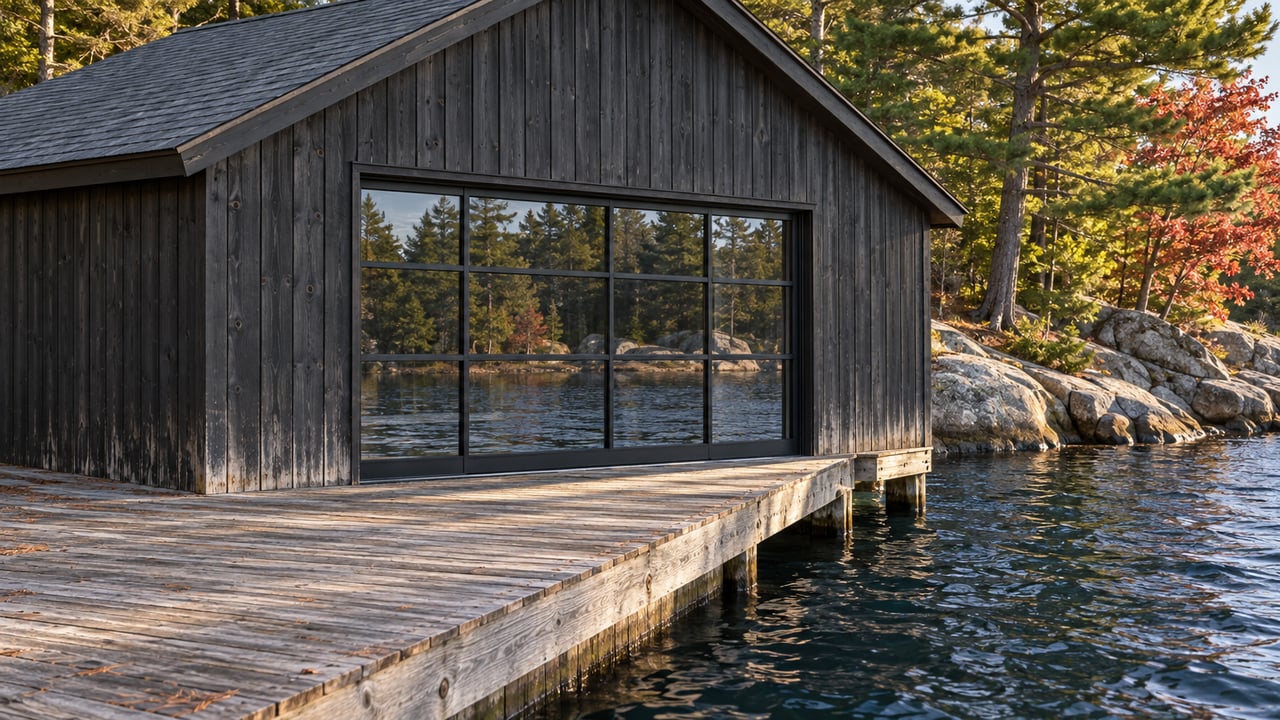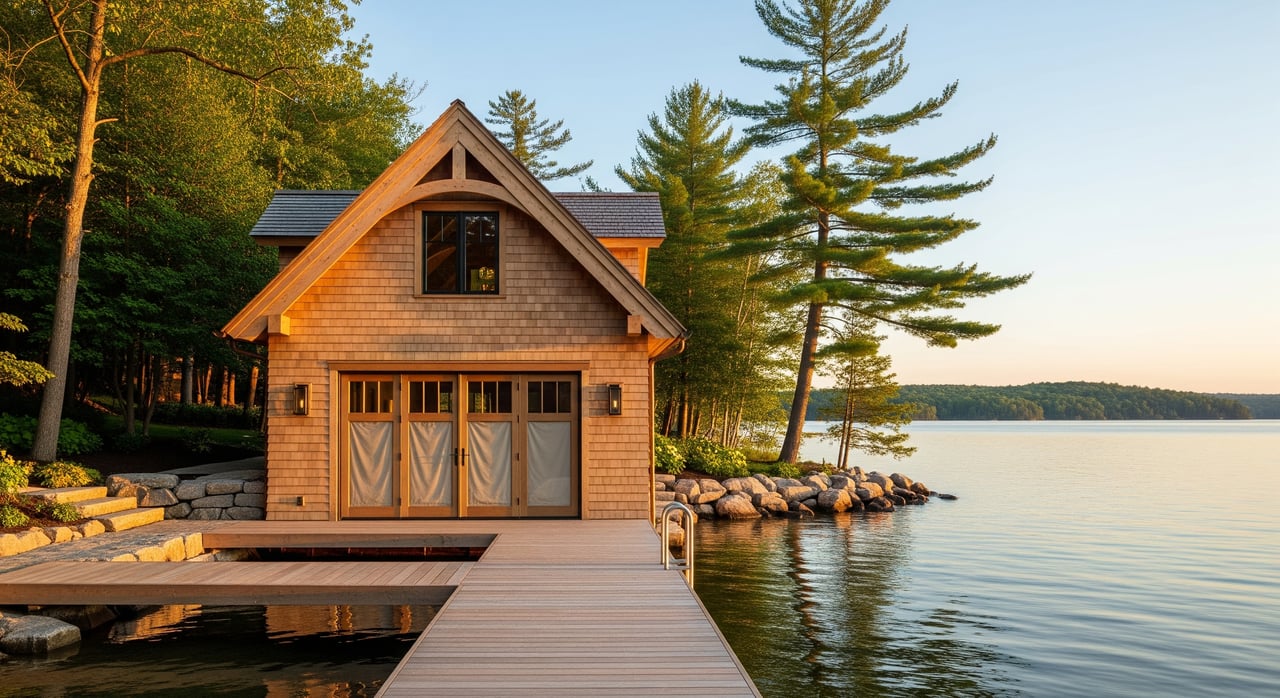
Thinking about adding a boathouse or upgrading a dock on Lake Joseph, Lake Rosseau, or Lake Muskoka? The right plan can elevate your time on the water and protect your investment. The wrong plan can delay construction, trigger costly redesigns, or create issues when you go to sell. You want clarity, confidence, and a path that respects the lake.
Muskoka Lakes are governed mostly by the District Municipality of Muskoka and the lower‑tier municipality for your property, such as the Township of Muskoka Lakes. Rules can vary by township and even by zone.
Common differences include:
- Definitions: “Boathouse,” “dock,” and “boatport” may be defined differently. Some municipalities allow enclosed boathouses only in specific zones.
- Size and coverage: Maximum floor area for boathouses, dock width and length, and total shoreline structure area can vary.
- Setbacks and buffers: Side yard separations, distance from lot lines, and nearshore placement differ. Many municipalities encourage a natural vegetation buffer, often around 30 meters, but details vary.
- Number of slips and structures: Rules for how many docks, slips, or boathouses are permitted on one lot depend on local zoning.
- Floating vs fixed: Floating docks may be treated differently from fixed piling systems, with separate criteria.
- Variances and legal non‑conforming: Processes to recognize or adjust older, grandfathered structures are specific to your municipal by‑laws.
How to verify your rules
- Check your property tax roll or MPAC report to identify your lower‑tier municipality.
- Use municipal mapping tools or call the planning department with your roll number or legal description.
- Request the registered deed and survey to confirm lot lines, the high water mark, and any water lot interests.
Design and shoreline best practices
Your design should respect the lake, last through Muskoka conditions, and support a smooth approval. The following practices are widely recommended for Lake Joseph, Lake Rosseau, and Lake Muskoka.
Shoreline health priorities
- Maintain a natural buffer: Keep or restore a vegetated buffer along the shore. Native plants reduce erosion, filter runoff, and support wildlife habitat.
- Limit hardening: Avoid extensive concrete armouring. Where needed, consider bioengineering with native plantings and carefully placed rock that preserves nearshore habitat.
- Avoid dredging and infill: Disturbing lakebed materials often triggers federal review and requires sediment controls.
- Reduce light and noise: Keep night lighting low (must comply with townships' dark sky lighting) and directed to maintain dark skies and reduce disturbance to wildlife.
Boathouse and dock choices
- Placement and orientation: Site your structure to minimize wake exposure, avoid navigation channels, and protect neighbour sightlines.
- Rooflines and utilities: Check whether roofs or upper levels change your permit path. Electrical must meet code and be installed by licensed professionals. Never allow discharge to the lake and plan for safe fuel handling.
Maintenance and lifecycle
- Design for Muskoka weather: Large boathouses and fixed structures should be engineered for ice, wind, and wave exposure.
- Insurance and safety: Confirm insurance requirements, keep life‑safety gear accessible, and maintain safe access.
Step‑by‑step plan for new builds
Follow this sequence to reduce risk and shorten timelines.
- Confirm jurisdiction and shoreline status
- Identify your lower‑tier municipality and whether your shoreline or lakebed is private or Crown.
- Verify any water lot lease or licence.
- Gather existing documents
- Deed and registered survey showing the high water mark.
- Any prior permits, as‑built drawings, and title documents confirming water lot tenure.
- Pre‑consult with the municipality
- Speak with planning and building staff about required drawings, studies, fees, and timelines.
- If applicable, consult District staff about policy alignment.
- Screen for ecological impacts
- If your project includes vegetation removal, shoreline alteration, dredging, or in‑water works, consult the Muskoka Watershed Council or a qualified environmental consultant.
- Confirm Crown land requirements
- If any part of the structure will encroach on Crown shorelands, contact the Ministry of Natural Resources and Forestry about leases or permits.
- Assess Fisheries Act triggers
- For in‑water works, consult Fisheries and Oceans Canada guidance or self‑assessment tools to determine if federal authorization is required.
- Prepare complete applications
- Assemble a site plan, elevations, materials list, and a sediment and erosion control plan. You may also need a shoreline impact assessment.
- Submit applications concurrently
- File municipal, provincial, and federal submissions in parallel when possible. Allow time for public notices, committee hearings, and inter‑agency review.
- Build with permits in hand
- Obtain all approvals before construction. Schedule inspections and ensure contractors follow permit conditions.
Buyer due diligence on boathouses
If you are purchasing on Lake Joseph, Lake Rosseau, or Lake Muskoka, confirm that your dream boathouse will not become a liability.
Documents to request from the seller
- Copies of permits and approvals for the boathouse and docks.
- A current registered survey showing lot lines and the high water mark.
- Any water lot lease or licence from the Ministry of Natural Resources and Forestry and whether it is transferable or up for renewal.
- As‑built drawings and maintenance records, including any dredging or shoreline stabilization.
- Insurance claims history related to the structure.
Questions for the municipality
- What is the current zoning, and is the existing boathouse or dock legal non‑conforming?
- Are there outstanding orders or compliance issues on file?
- Have there been recent shoreline protection policy changes that could affect future work?
Environmental and risk checks
- Ask about historic high water events and flood history.
- Look for signs of erosion, prior remediation, or heavy ice and wave exposure.
- Confirm whether the area includes sensitive species or fish spawning habitat that could affect permits.
Direct questions for the seller
- Has the boathouse or dock ever had a building permit? If not, why?
- Are there encumbrances or leases tied to the water lot?
Common pitfalls and costs
- Unpermitted structures: Retroactive approvals can be costly and are not guaranteed.
- Water lot uncertainty: Expired or non‑transferable Crown leases create title and use risk.
- Fisheries Act impacts: If fish habitat is affected, you may face expensive mitigation or redesign.
- Enclosed living space: Boathouses with living quarters trigger full building code review, higher construction costs, and tax implications.
Work with a local guide
Every shoreline is unique, and rules can change from bay to bay. The most important step is to confirm your jurisdiction, verify shoreline ownership, and consult municipal staff early. Layer in Crown land and Fisheries Act questions before you finalize design or close a purchase.
If you want a clear path through zoning, permits, and design choices, connect with a local team that lives these waters. For private guidance on Lake Joseph properties, discreet evaluations, or introductions to trusted surveyors, engineers, and shoreline specialists, reach out to The Blair Group. We will help you protect the lake and your long‑term value.
FAQs
How do I know which township regulates my Muskoka property?
- Check your tax roll or MPAC record to identify the lower‑tier municipality, then confirm with the municipal planning department using your roll number or legal description.
Do I need provincial permission if my dock extends over the lakebed?
- If your structure extends over Crown shorelands or a water lot, contact the Ministry of Natural Resources and Forestry to determine whether a lease, licence, or permit is required.
When does the Fisheries Act apply to my project?
- In‑water works that can harm fish or fish habitat, such as dredging, infill, or substantial piling, may require federal review or authorization from Fisheries and Oceans Canada.
Are floating docks easier to permit than fixed docks?
- Floating systems can reduce disturbance to the lakebed and adapt to water levels, but you must still meet municipal rules and any provincial or federal requirements.
Can I add living space above my boathouse in Muskoka?
- It depends on local zoning and building code requirements; enclosed boathouses and any living space trigger stricter rules, full code review, and potentially higher costs.
What if the existing boathouse was never permitted?
- Ask the municipality about compliance status and retroactive steps; you may need an as‑built survey and permits, and some structures require modification to remain.
What shoreline buffer should I maintain during a rebuild?
- Many stewardship groups recommend a natural vegetated buffer in the 10 to 30 meter range, though exact municipal policies and permitted uses within the buffer vary.
What documents should I review before buying a property with a boathouse?
- Request permits and approvals, a registered survey, any water lot lease or licence, as‑built drawings, maintenance records, insurance history, and any shared dock agreements.