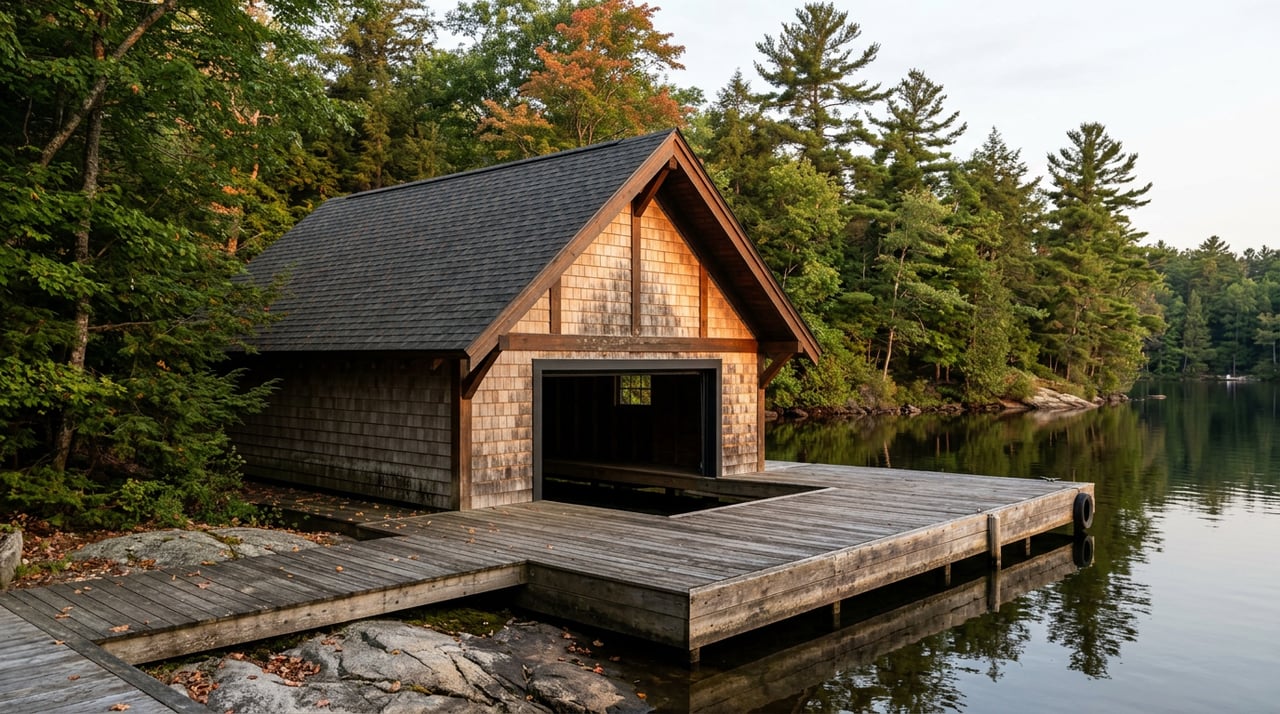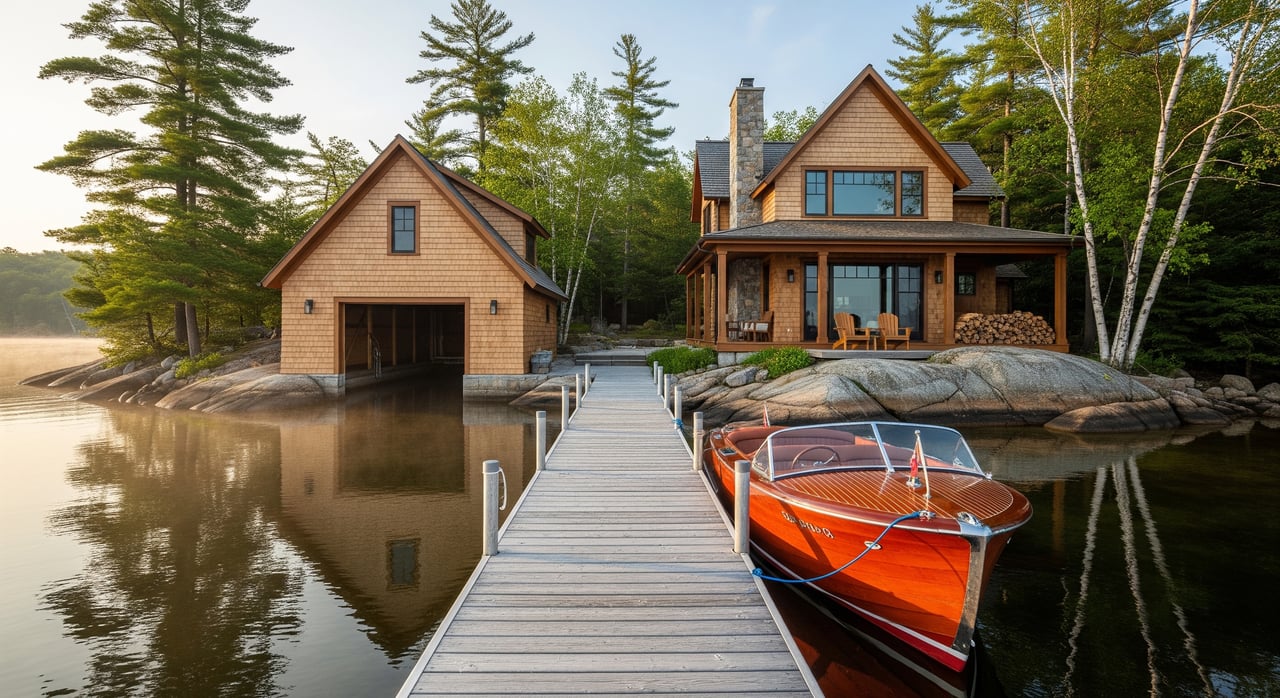
Imagine waking up to glassy water, brewing coffee, and watching the first ski boat trace a soft line across the bay. If you are picturing a slower, more connected rhythm than city life, you are not alone. Lake Rosseau pulls people in with its classic Muskoka feel and boat-first lifestyle. In this guide, you will learn how daily life really works here across the seasons, what to expect for access and services, and how Rosseau compares with nearby lakes. Let’s dive in.
Where Lake Rosseau sits in Muskoka
Lake Rosseau is one of Muskoka’s core lakes, linked to Lake Joseph and Lake Muskoka by navigable channels and the Port Carling locks. That connection gives you easy day trips by boat during the season. You will find a mix of granite shorelines, islands, quiet coves, and deep channels that reward exploring.
Your main service hubs are simple to remember. The Village of Rosseau anchors the north and east side with small shops and dining. Windermere has a historic resort presence and a classic lakeside feel. Port Carling is your practical gateway for fuel, marinas, repairs, and a cluster of restaurants. Smaller marinas and hamlets dot the shoreline, so you are never far from a dock to tie up.
Summer daily life on Rosseau
Mornings on the water
Summer mornings are made for motion. You might slip out early for fishing, then swap to waterskiing once the sun warms the bay. Many families build routines around a quick boat ride for coffee or fuel, then swim time off the dock for the kids.
Afternoons and errands
Midday often means a short hop to a marina for lunch or supplies, or a cruise to a protected bay for tubing and picnic time. If you need full groceries or big-box items, plan a short drive to larger towns like Bracebridge or Gravenhurst. Slip availability can be tight in peak months, so it helps to book marina services early.
Evenings on the dock
Evenings slow down. You will see families grilling, kids jumping in for a last swim, and neighbors cruising by to say hello. Near village docks and marinas, the water can be lively. Tucked-away bays feel quiet and private once the sun drops.
Spring and fall shoulder seasons
Quiet, colourful, and practical
Spring and fall bring calmer water and space to breathe. In spring, you open the cottage, watch water levels, and get repairs done before summer crowds arrive. Fall is beloved for colour, crisp air, and relaxed weekends with friends before winterization.
What changes in shoulder seasons
Boat traffic is lighter, and some eateries and services reduce hours. You will still find good local dining and helpful marina teams, just plan ahead. Many owners use this time for maintenance checklists and long hikes before the first frost.
Winter on the lake
Cold-weather fun
When the lake freezes and snow arrives, Rosseau shifts to winter mode. You can snowmobile, ice fish, skate when safe surfaces are maintained, and cross-country ski. Some cottages stay open year-round, while many are winterized and closed.
Services to expect
A number of marinas and seasonal businesses operate on shorter hours or close in winter. Emergency services are available, but response can take longer to remote or boat-only locations. Year-round owners set clear safety plans and keep gear ready for winter conditions.
Getting here and getting around
Drive times and air options
From the Greater Toronto Area, you typically drive 2 to 3 hours depending on traffic and your final dock. That makes long weekends realistic. Muskoka Airport near Gravenhurst offers regional options and charter services used by some owners.
Road access vs boat access
Your access type shapes daily life. Road-access cottages simplify groceries, trades, and winter visits. Boat-access or island properties offer remarkable privacy and views, but you will plan around weather, parking, fuel, and guest logistics. Both styles are part of Rosseau’s charm.
Parking and seasonal logistics
If you visit often, secure parking at marinas or village lots and build a simple routine for bags and gear. In peak season, expect more traffic at the locks, fuel docks, and public slips. A little planning makes everything smoother.
Utilities and connectivity you will rely on
Power, water, and septic
Most cottages connect to grid power, while some remote or island spots use generators or battery systems. Private wells and septic systems are common outside village cores. Keep a regular maintenance cycle for septic, docks, and shoreline care, especially after spring runoff.
Internet and mobile
Cell coverage varies by bay and island. Many owners add satellite or fixed wireless to support remote work. Test your specific location and have a backup option if you work from the lake.
Waste and safety
In settled areas you may have municipal pickup. Remote owners use transfer sites and plan disposal trips. Safety plans matter, particularly for boat-only cottages. Post key contacts, keep first-aid and fire gear ready, and confirm access routes for guests.
Community culture
Social scenes by water
Rosseau’s social life is cottage-centric. You will meet neighbors by boat, share impromptu dock visits, and join small community events. Some areas near marinas and village docks feel lively, while sheltered bays and islands offer quiet retreats.
Stewardship and associations
Local lake associations, watershed groups, and township teams promote safe boating, shoreline protection, and invasive species prevention. Expect to see programs that promote healthy septics, native plantings, and responsible wake habits. Many owners join and volunteer to keep the water clear and the community strong.
Real estate realities
Property types and character
On Rosseau you will find historic cottages, modern rebuilds, island hideaways, and a limited number of condo-style waterfront options. The lake is often perceived as more upscale, with a strong mix of legacy family places and high-value estates. Inventory on prime shoreline is competitive.
Costs and upkeep to expect
Waterfront ownership involves ongoing care. Plan for dock work, boathouse maintenance, shoreline erosion control, septic service, winterization, and pest management. Taxes, utilities, and insurance can be higher for island or boat-access homes because of fire and access constraints.
Short-term rentals and local rules
Municipal bylaws and licensing for short-term rentals vary across Muskoka and continue to evolve. Before you buy, confirm the current rules for your exact address and property type. Also check zoning, building, and shoreline alteration permits with the township and district.
Insurance and emergency response
Insurers will want details on access type, boathouses, docks, and whether you plan to live seasonally or full-time. Coverage and cost vary. Emergency response times can be longer than in urban settings, especially for boat-only cottages, so plan accordingly.
Rosseau vs nearby lakes
Rosseau vs Lake Joseph
Rosseau and Joseph share a high-end reputation and beautiful water. Joseph can feel more private in some stretches with large estates. Rosseau blends classic resort heritage with village-oriented stops, which many families like for everyday convenience.
Rosseau vs Lake Muskoka
Lake Muskoka is bigger and more commercial in parts, with towns like Bala, Gravenhurst, and Bracebridge on its shores. Rosseau tends to feel quieter and more boating-focused, with a refined pace in many bays.
Who should choose Rosseau
Choose Rosseau if you want classic cottage culture, easy inter-lake boating, and quick access to charming village dining without the busier corridors of larger population centers. It suits families who mix play and quiet time and enjoy a boat-first routine.
A quick buyer’s checklist
- Confirm your access style: road-access or boat-only.
- Map your daily needs: parking, fuel, marina slips, and grocery runs.
- Test internet and cell at the exact property.
- Budget for docks, boathouse care, septic, winterization, and shoreline work.
- Review township and district rules for building, shoreline changes, and rentals.
- Talk to insurers early about coverage for waterfront features.
- Join the local lake association to stay plugged into water quality and safety.
Is year-round living right for you
You can live on Rosseau full-time with the right setup. Look for a winterized cottage, reliable heat, backup power, and tested internet. Schools, healthcare, and full grocery runs are in nearby towns, so plan for drive time. Many year-round owners keep flexible schedules during storms and set clear safety routines for winter access.
Ready to explore by boat
If Rosseau sounds like your fit, the best way to confirm it is to tour by water. You will see how bays feel at different times of day, how boat traffic moves, and which shorelines match your pace. For a private, boat-first look at current opportunities and guidance on build or renovation paths, connect with The Blair Group. Our team pairs multi-generation local knowledge with discreet, high-touch service to help you move from daydream to dock. Reach out to The Blair Group to plan your next step.
FAQs
What is daily life like in summer on Lake Rosseau
- Mornings are active on the water, midday brings short boat runs for lunch or fuel, and evenings slow down on the dock with family and friends.
How long is the drive from Toronto to Lake Rosseau
- Typical drive time is about 2 to 3 hours depending on traffic and your final destination on the lake.
What should I know about boat-only cottages on Rosseau
- You will trade easy grocery runs for privacy and views, so plan for parking, fuel, weather windows, and guest logistics.
Are internet and cell service reliable across Lake Rosseau
- Coverage varies by bay and island, and many owners add satellite or fixed wireless to support remote work.
What ongoing costs should I budget for on a Rosseau cottage
- Dock and boathouse care, septic service, winterization, shoreline work, utilities, insurance, and seasonal property management.
How does Lake Rosseau compare with Lake Muskoka and Lake Joseph
- Rosseau generally feels quieter and more boating-centric than Lake Muskoka and blends village access with upscale shorelines alongside Lake Joseph’s privacy in places.