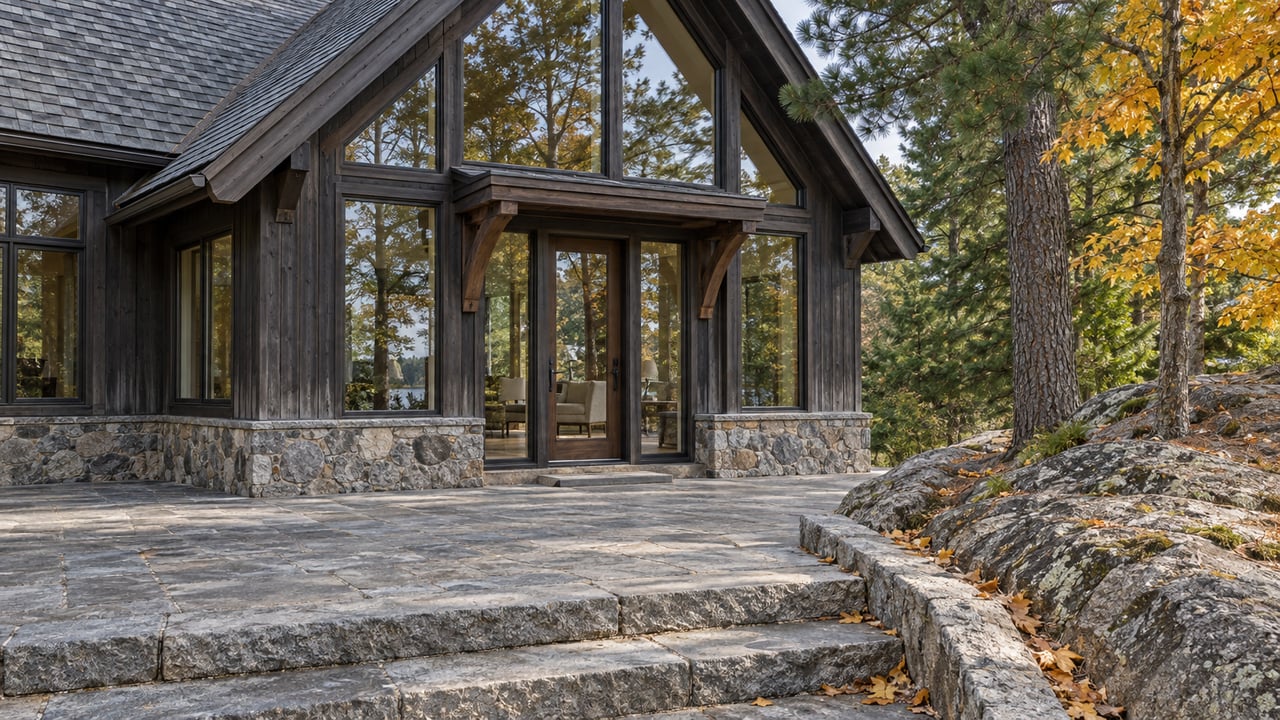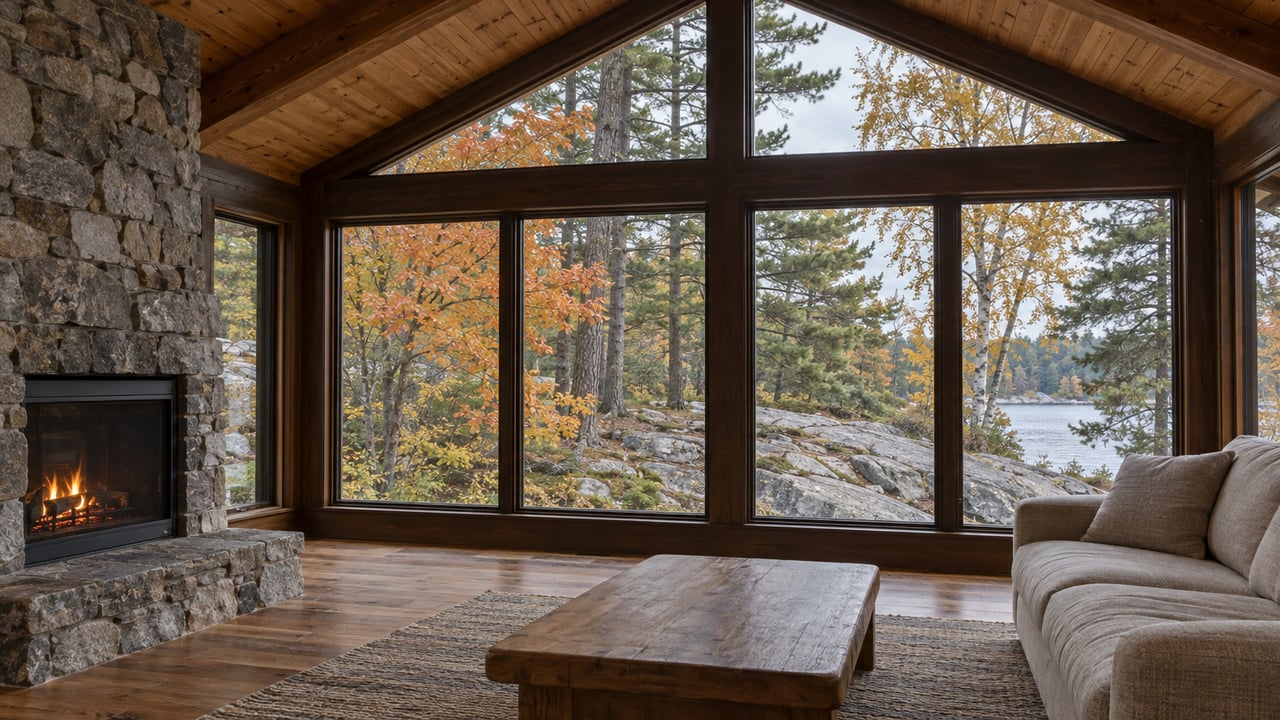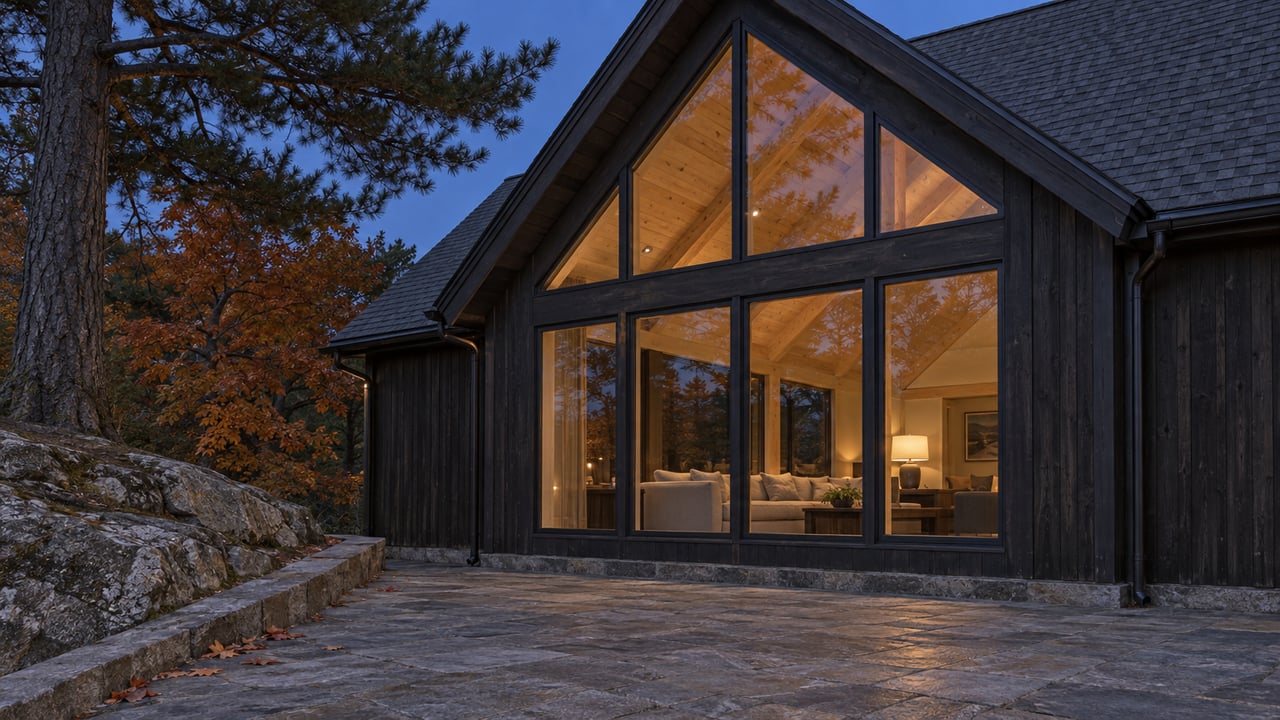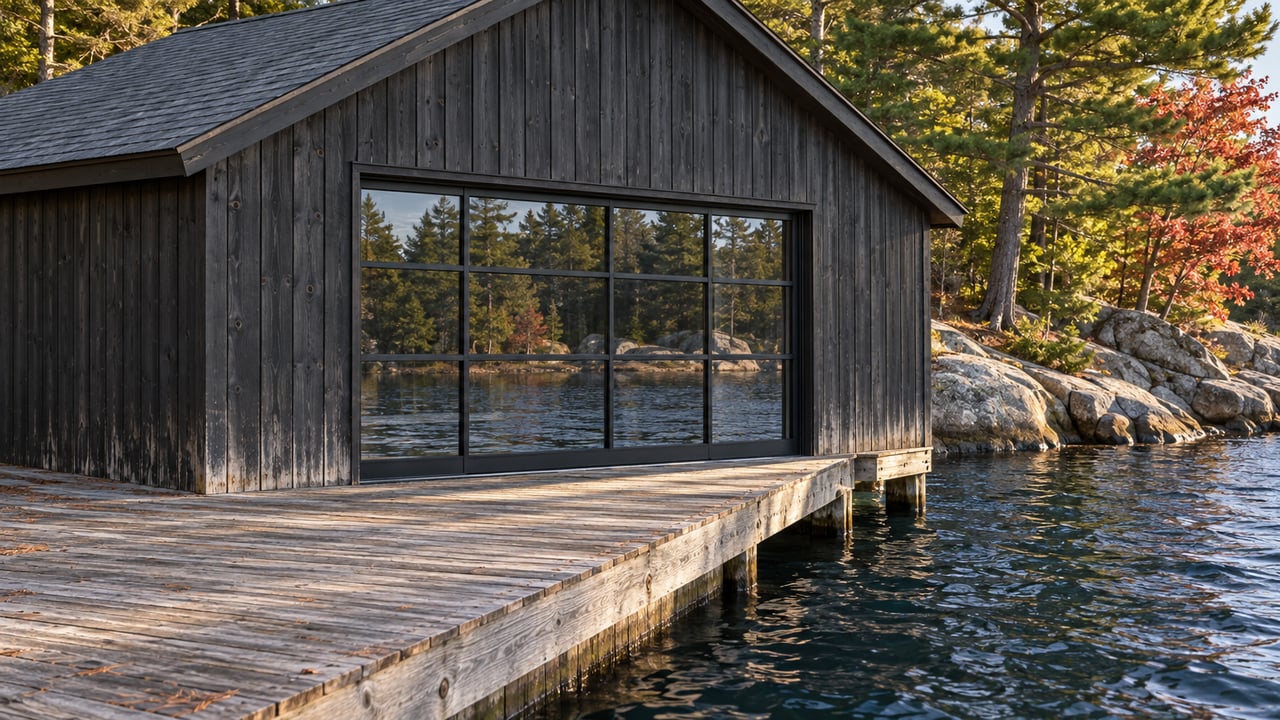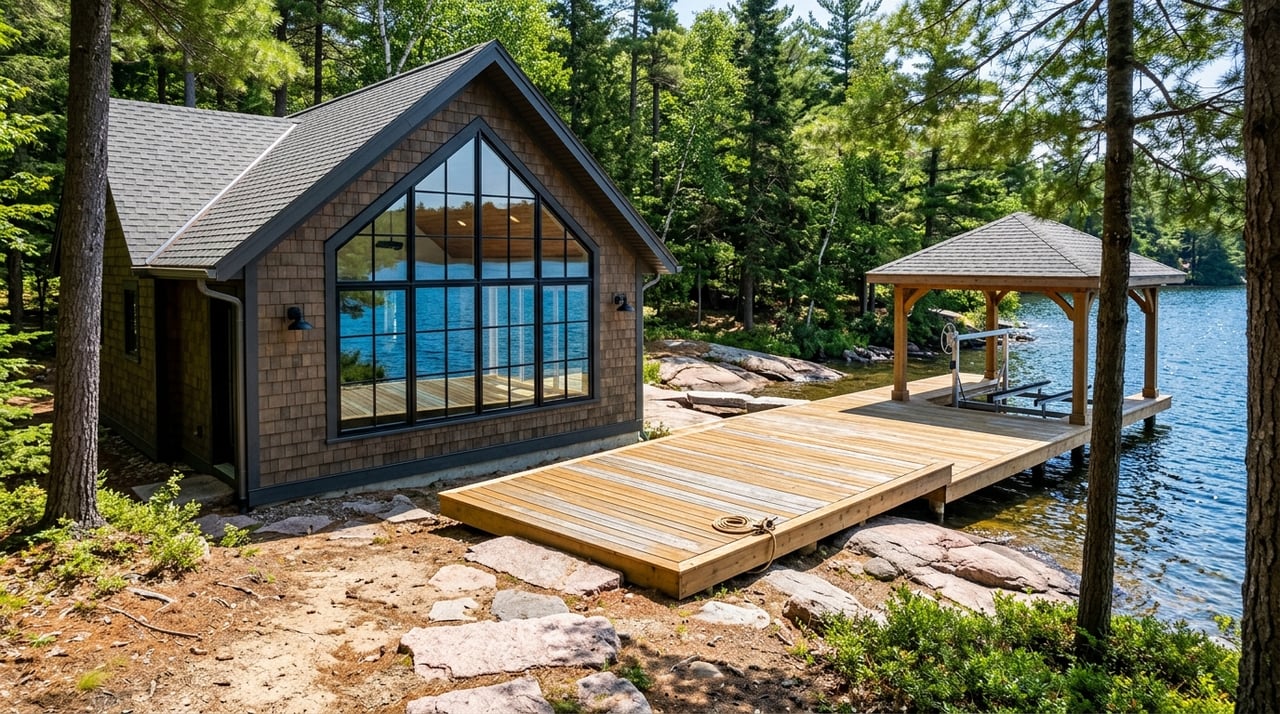
If you are dreaming about Lake Joseph, one question can shape your entire ownership experience: do you want island living or mainland living? Both can deliver the privacy, scenery, and classic Muskoka rhythm buyers come for, but they work very differently day to day. If you are weighing the tradeoffs, this guide will help you compare access, permits, services, and lifestyle fit so you can make a more confident decision. Let’s dive in.
Why the choice matters on Lake Joseph
Lake Joseph is not a small, simple waterfront market. It is a large Muskoka lake with about 5,460 hectares of surface area and roughly 140 km of shoreline, and it is known for exceptional water quality. A Seguin Township study also identifies it as a managed lake-trout lake, which makes stewardship and shoreline planning especially important.
That matters whether you buy on an island or the mainland. The way a property is accessed often affects docks, septic logistics, deliveries, guest arrivals, and how much shoreline alteration may be needed. On a lake like Joseph, the better question is often not just where is the cottage? but how will the property function in every season?
Island living on Lake Joseph
Island ownership appeals to buyers who want a true getaway feel. The separation created by water often brings more privacy, less casual pass-through traffic, and a stronger sense of retreat from the mainland routine. For many buyers, that is exactly the point.
In local planning terms, a water-access-only property is one with no access or frontage to a public street, right-of-way, or driveway. These properties can only be developed through access by barge, boat, or similar means from shore. That definition is practical, not just technical, because it shapes how you think about nearly everything from groceries to contractors.
What buyers often love about islands
- A stronger sense of privacy
- A quieter, retreat-like atmosphere
- A boat-centered lifestyle that feels distinctly Muskoka
- Separation from roads and drive-by traffic
What takes more planning on islands
- Guest arrivals and parking coordination
- Contractor timing and delivery windows
- Weather-related travel decisions
- Construction staging and access logistics
- Backup plans during high water or difficult conditions
Island properties can be a great fit if you are comfortable organizing life around the lake itself. If boating feels like part of the reward, not a hurdle, island ownership can be deeply appealing.
Mainland living on Lake Joseph
Mainland ownership is often easier for everyday use. You may have simpler arrivals, more direct servicing, and more flexibility if you plan to use the property often or through more of the year. For many buyers, that convenience is the deciding factor.
Still, mainland does not always mean effortless. On Lake Joseph, some road-served properties sit on private roads or long driveways that may not be maintained by the Township or District unless privately contracted. In winter, a mainland cottage can still feel seasonal if road access is limited or unreliable.
What buyers often love about mainland properties
- Easier day-to-day arrivals and departures
- More straightforward servicing and maintenance access
- Simpler logistics for guests, trades, and deliveries
- Better potential for flexible year-round use
What still needs review on mainland properties
- Whether the road is publicly or privately maintained
- Winter access reliability
- Length and condition of the driveway
- How emergency access works in poor conditions
If you want convenience, mainland can be the natural choice. But the label alone is not enough. The details of road maintenance and seasonal access still matter.
Access points can change the experience
On Lake Joseph, the mainland side of a water-access property can be just as important as the cottage itself. Muskoka Lakes planning documents distinguish between mainland waterfront landings and individual water access points, and that difference can affect convenience in a very real way.
Mainland waterfront landings are intended to serve three or more water-access properties or a commercial property that cannot be reached by road. The plan says they should include washroom and garbage facilities. Individual water access points are for up to two residential lots and must include at least two parking spaces and one boat slip per water-access lot.
That means a well-planned access point can make island ownership far more comfortable. It can also reveal problems early if parking, garbage handling, and guest logistics are weak.
Permits matter more than many buyers expect
Whether you choose island or mainland, permit history deserves close attention. Muskoka Lakes states that building permits are required for construction or demolition, and septic permits are required to install, relocate, or replace a septic system. Dock or boathouse work may also require approvals from multiple authorities.
The order of approvals matters too. In Muskoka Lakes, a boathouse permit application will not be issued until the dock permit has been inspected and closed. Seguin also requires permits for docks and boathouses, with both fixed and floating docks regulated, and structures over 10 square metres requiring a permit.
Key permit questions to ask
- What dock and boathouse work has been permitted?
- Were the permits inspected and closed?
- How old is the septic system, and what records exist?
- Has any shoreline or access work required municipal review?
- Are there outstanding approvals tied to future plans?
This is especially important if you are buying for redevelopment, expansion, or a custom build. Access type can affect how materials, staging, fill, and shoreline work are handled before the property is fully usable.
Shoreline stewardship is part of ownership
Lake Joseph’s water quality is one of its defining features. Muskoka Watershed Council links nutrients such as septic effluent, fertilizers, and runoff to higher phosphorus levels and recommends keeping 75% or more of shoreline in its natural state to help protect water quality and habitat.
For buyers, this is not just an environmental note. It is part of how you evaluate a property’s long-term fit. A heavily altered shoreline or a plan that requires extensive access work may come with more complexity than a more naturalized setting.
Why stewardship affects island and mainland choices
- Natural shorelines help support water quality
- More infrastructure can mean more planning and review
- Access work near the shore may trigger added municipal attention
- A lower-impact approach often aligns better with the lake’s character
In Seguin, the site alteration by-law applies to lands within 60 metres of the shoreline and specifically defines temporary access roads for water-access-only properties. That shows how closely shoreline work and access logistics can be connected.
Services and day-to-day logistics
Many buyers focus first on views, frontage, and privacy. Just as important are the systems behind ownership. On most Lake Joseph properties, water and wastewater service will be private.
The District of Muskoka is responsible for water and wastewater services in Muskoka Lakes, but municipal water and sewer service is limited to Bala and Port Carling. Most other properties rely on private wells and septic systems. That makes records, maintenance, and inspection history important on both island and mainland properties.
Waste handling can also differ more than buyers expect. Muskoka Lakes planning policy says mainland waterfront landings should include washroom and garbage facilities, and marinas should provide parking or loading areas along with garbage, recycling, and washroom facilities. For a boat-access property, those support systems can make ownership smoother for you and your guests.
Emergency readiness and seasonal planning
Beautiful waterfront ownership still requires practical planning. Muskoka Lakes notes that water levels are managed through the Muskoka River Watershed Management Plan and also states that the Township declared an emergency in 2019 because of rising water levels. On a big lake, dock design, shoreline resilience, and backup access planning matter.
The local fire department is equipped for lake living, with fireboats and water, swift water, surface water, and ice rescue capabilities. That is reassuring, but it does not replace preparation at the property level. Boat-dependent homes usually require more self-sufficiency than road-served homes.
Readiness questions worth asking
- How do you reach the property in summer, shoulder season, and winter?
- Is there a visible 911 sign from the primary access point?
- What happens if water levels rise?
- How are guests handled during rough weather?
- What is the plan if winter travel becomes difficult?
A 911 civic address is required for all properties in Muskoka Lakes, and the blue address sign must be visible from the primary access point to the residence, whether that is road or water. On island and water-access properties, that detail is especially important.
Which option fits your lifestyle best?
The right answer usually comes down to how you want to live, not just how you want the property to look in photos. Island ownership tends to suit buyers who want privacy, a stronger retreat feeling, and a boat-first lifestyle. Mainland ownership tends to suit buyers who value simpler arrivals, easier servicing, and more flexible use, especially when road access is reliable.
The smartest buyers look beyond the label. They compare access history, permit status, septic records, garbage logistics, and emergency readiness before deciding. On Lake Joseph, those details shape the ownership experience just as much as the view from the dock.
If you are weighing island versus mainland living on Lake Joseph, working with a team that understands boat access, shoreline realities, and Muskoka ownership logistics can make the process much clearer. For a confidential conversation or an exclusive listing preview, connect with The Blair Group.
FAQs
What is an island property on Lake Joseph?
- An island property on Lake Joseph is typically a water-access-only property, meaning it has no access or frontage to a public street, right-of-way, or driveway and is reached by boat, barge, or similar water access.
What is the main benefit of mainland living on Lake Joseph?
- Mainland living on Lake Joseph is usually easier for everyday use because arrivals, servicing, and guest access can be more straightforward, especially when the property has reliable road access and winter maintenance.
What should buyers check before buying a Lake Joseph island cottage?
- Buyers should check how the property is reached in every season, the status of dock and boathouse permits, septic records, waste and parking logistics, visible 911 addressing, and backup plans for high water or difficult weather.
Do Lake Joseph docks and boathouses need permits?
- Yes, dock and boathouse work may require approvals, and local permit status should be confirmed carefully because Muskoka Lakes and Seguin both regulate this type of waterfront infrastructure.
Why does shoreline condition matter on Lake Joseph properties?
- Shoreline condition matters because Lake Joseph is known for exceptional water quality, and more naturalized shorelines can help protect habitat and reduce runoff and nutrient impacts.
Is mainland always easier than island ownership in Muskoka?
- No, mainland ownership is often simpler, but private roads, long driveways, and winter maintenance limits can still affect year-round access and everyday convenience.