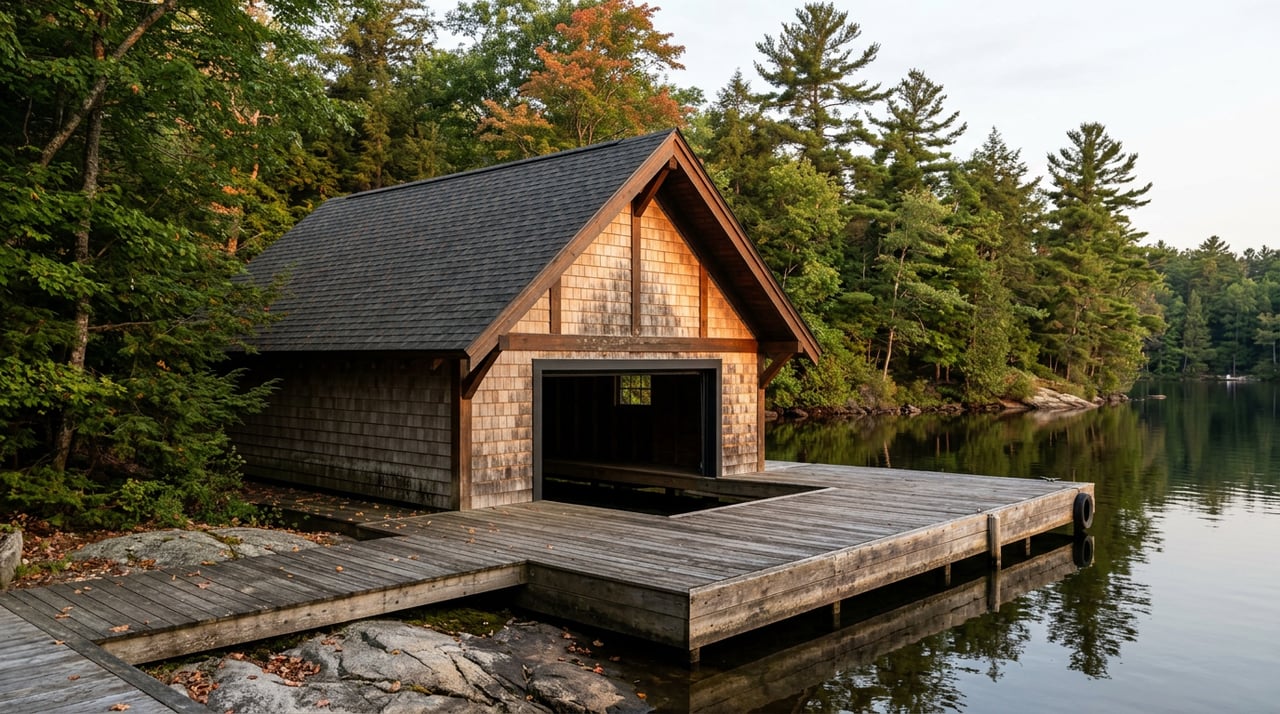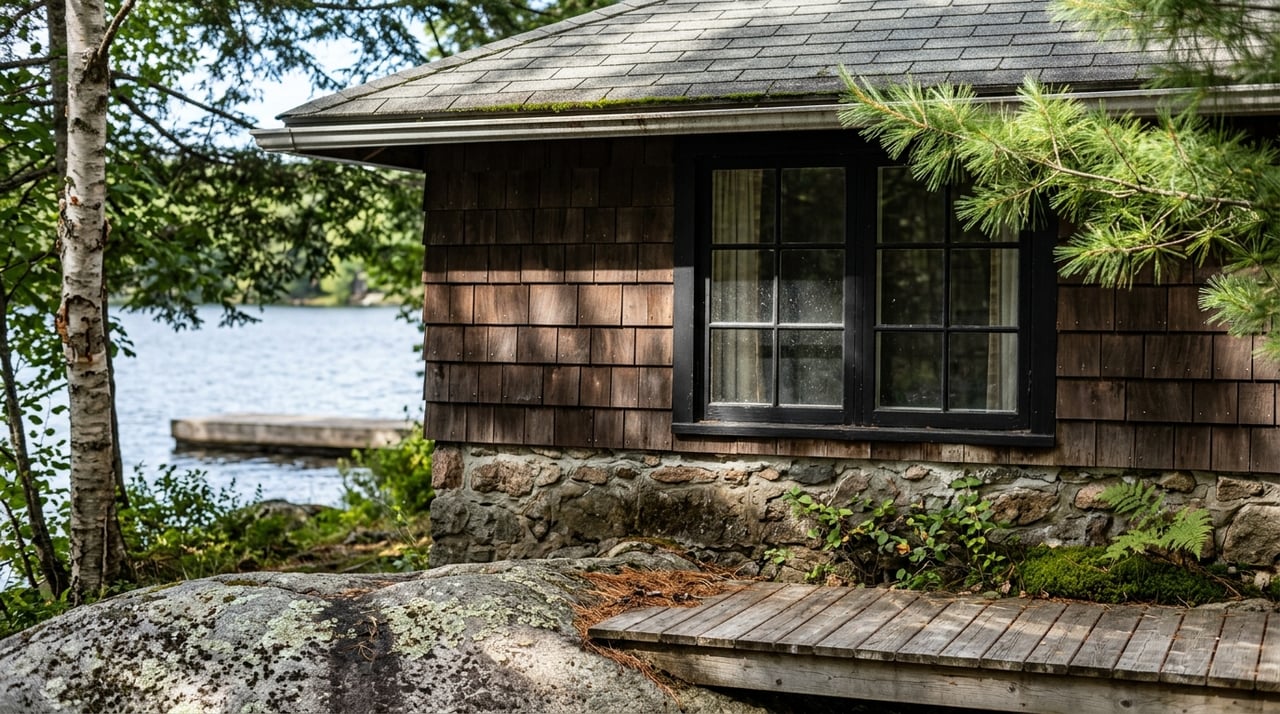
Wondering if you can transform an older Lake Joseph cottage into the waterfront retreat you really want? It is a smart question, because on this lake, redevelopment is rarely as simple as sketching a bigger floor plan and starting construction. If you are buying, selling, or planning a rebuild, understanding the lot, the services, and the approvals can save you time, cost, and disappointment. Let’s dive in.
Why Lake Joseph redevelopment is different
Lake Joseph is not treated like an ordinary cottage lake by local planners. In the Township of Muskoka Lakes, it is classified as a Category 1 large lake, and in Seguin Township, it is also listed as a large lake. That matters because redevelopment rules and review standards can shift depending on which municipal side your property sits on.
The first takeaway is simple: the exact location of the parcel matters before you make assumptions about setbacks, servicing, or approvals. Lake Joseph redevelopment is highly site-specific, and the same renovation idea may follow a different path depending on whether the property falls under Muskoka Lakes or Seguin.
Start with the lot, not the design
When you look at an older cottage, it is easy to focus on the finished vision. You may picture a larger main cottage, updated guest space, a refined dock setup, or a full replacement build. But on Lake Joseph, the better first question is whether the lot can actually support that plan.
Both Muskoka Lakes and Seguin place strong emphasis on protecting shoreline character, natural form, vegetation, and lake quality. In practical terms, that means redevelopment is not only about what you want to build. It is also about whether the site can absorb a modern footprint without overpowering the shoreline setting.
For many older properties, that becomes the central challenge. A cottage built decades ago may sit on a site that worked well for seasonal use, but the lot may be less suited to a larger year-round style program with more bedrooms, more plumbing fixtures, and more accessory structures.
Older cottages often have hidden servicing issues
One of the most important realities with older Lake Joseph cottages is that many pre-date current servicing expectations. That is especially true when it comes to septic systems. What worked for a smaller seasonal cottage may not meet current standards or support a larger redevelopment plan.
Seguin notes that many seasonal dwellings were originally designed for seasonal occupancy and may have septic systems that are not designed to current standards. Before certain improvements can move forward, the municipality requires confirmation that the septic system conforms to applicable standards.
On the Muskoka Lakes side, sewage system age and records are major due-diligence items. The township’s Sewage System Maintenance Inspection Program treats waterfront systems 10 to 30 years old as moderate risk, while systems older than 30 years or those without permit records are considered high risk. For an older cottage, that makes septic history, system age, and current condition essential items to review early.
Renovation, expansion, or rebuild
Not every project follows the same approval path. A modest renovation may be one thing, while an addition, a teardown, or a more ambitious compound plan can trigger a much broader review.
In Muskoka Lakes, building permits are required to construct or demolish a building, and common permit triggers include additions, decks, structural alterations, dock work, and sewage-system work. Waterfront lots may also need site plan approval, and some applications require entrance approval, septic or water-and-sewer approval, and development fees.
In Seguin, permits are also required for renovation and demolition, and site plan approval comes before a building permit is issued. Septic permitting is especially important there. A septic permit is required for a new cottage, a replacement or repair, a decommissioning, or an enlargement or renovation that could increase sewage flow.
That is why a simple-looking project can quickly become a redevelopment feasibility exercise. If the end goal includes a much larger cottage, extra bedrooms, a guest cabin, or a reworked dock and boathouse layout, it is wise to evaluate the whole property as a redevelopment site rather than assume it is just a cosmetic renovation.
Septic capacity can shape the whole project
For many Lake Joseph properties, the hidden limiter is not architecture. It is service capacity.
Most properties in Muskoka Lakes rely on private sewage systems rather than municipal sewers, which are limited to hubs such as Port Carling and Bala. If you want to enlarge a cottage or add living space, you need to confirm that the existing sewage system can handle the increased flow.
Seguin is very clear on this point. Private on-site systems under 10,000 litres per day are regulated under Part 8 of the Ontario Building Code and must be designed for the maximum potential occupancy of the residence, whether the cottage is seasonal or year-round. If more bedrooms or living space are being added, a sewage-system capacity review may be needed.
Muskoka Lakes adds another important layer for new residential development. Its official plan states that new residential development must use sewage disposal systems that incorporate tertiary treatment to reduce or prevent the migration of phosphorus and nitrogen into the adjacent waterbody. For buyers planning a custom build or major replacement, that can affect both budget and design envelope.
Water supply matters too
Sewage is not the only service to evaluate. Water supply should be reviewed at the same time.
Muskoka Lakes notes that residences may draw water from a surface water source, a well, or a cistern. If you are considering a larger dwelling or a more intensive use pattern, it makes sense to understand how the property is currently supplied and whether that setup aligns with your plans.
When buyers focus only on visible improvements, service upgrades can become an expensive surprise later. For that reason, service due diligence should happen early, alongside design and planning conversations.
Shoreline controls can change your plan
On Lake Joseph, what happens near the water is often the most sensitive part of the project. Shoreline protection, site plan control, and vegetation rules can materially affect what you can do.
In Muskoka Lakes, all lands are within a site plan control area. Waterfront site plan approval is required for new dwellings, certain additions, new sleeping cabins, new boathouses, second-storey habitable area in boathouses, and larger accessory buildings. Site plan agreements can also require stormwater measures, landscaping, shoreline vegetation protection, and other works that may be registered on title.
Seguin also treats the entire township as a site plan control area. There, site plan approval can address buildings, driveways, parking, walkways, landscaping, fencing, lighting, drainage, and municipal services before a building permit is issued.
This is one reason redevelopment on premium waterfront is so often a sequencing exercise. You are not just planning a building. You are planning how the building, access, drainage, servicing, and shoreline treatment all work together.
Tree removal and site alteration are controlled
Many buyers assume they can clear trees or reshape the site once they own the property. On Lake Joseph, that assumption can lead to problems.
Muskoka Lakes has tree conservation and site-alteration controls on waterfront lands within 300 feet of a navigable waterway. Permits may be needed for tree cutting or grade changes unless an exemption applies. The township also notes that if you already have an approved building permit, septic permit, or site plan approval, property alteration or tree removal may be allowed within the approved building envelope and buffer zones.
For older lots with dense cover, steep grades, or narrow buildable areas, these controls can have a real impact on design. A plan that looks straightforward on paper may need to change once tree protection, grading limits, and shoreline buffers are considered.
Title and survey review are critical
Waterfront redevelopment is not only a planning issue. It is also a title and survey issue.
Older Lake Joseph properties can involve shore road allowance questions. Seguin’s zoning by-law says the owner must have acquired the shore road allowance, where it exists, before constructing certain waterfront structures. Muskoka Lakes also references original shore road allowances in lot-coverage calculations.
That means a proper review of the survey, deed, and permit history is important before committing to a boathouse, patio, or other shoreline addition. On older properties, these details can materially affect what is possible.
Access and construction logistics matter
Even when the planning case is strong, access can still shape the project. Muskoka Lakes may require proof of entrance approval from the District, Township, or Ministry of Transportation when applicable. Its waterfront planning policies can also require road widening dedications or other access-related conditions.
For some Lake Joseph properties, especially those with more complex driveways or shore-side logistics, the movement of trades, materials, and heavy equipment needs to be considered early. The build may be possible, but the staging and timing can affect budget and project duration.
Water levels also matter. Muskoka Lakes monitors Lake Joseph and Rosseau water levels and notes that levels are controlled by dams and spill structures, but those dams are not flood control structures. For shoreline work, spring water conditions and site protection should be part of the plan from the beginning.
A practical checklist before you redevelop
If you are considering an older cottage on Lake Joseph, this checklist can help you frame the opportunity clearly:
- Confirm whether the property falls under Muskoka Lakes or Seguin before relying on any development assumption.
- Pull the survey, deed, and permit history early.
- Check for any original shore road allowance or waterfront encroachment issue.
- Verify septic age, permit records, and current capacity.
- Compare that capacity to your intended bedroom count and accessory uses.
- Review water supply at the same time as wastewater servicing.
- Confirm property access and whether entrance approval is required.
- Ask whether the project is best viewed as a renovation, expansion, or full replacement.
- Factor in site plan control, shoreline buffers, tree rules, and grading limits before finalizing design.
The smartest approach: prove the lot, prove the services, prove the design
On Lake Joseph, redevelopment is rarely just about creating a more beautiful cottage. It is about understanding whether the site can support the life you want to build there.
The strongest approach is usually this: prove the lot, prove the services, then prove the design. When you work in that order, you can make better decisions about feasibility, timing, and value. You also reduce the risk of falling in love with a concept that the property cannot reasonably support.
For buyers, that can mean spotting opportunities others miss. For owners and sellers, it can mean positioning a property more intelligently by understanding its true redevelopment potential. If you are weighing a purchase, a rebuild, or the future of a legacy holding on Lake Joseph, local insight matters.
If you want a discreet, informed conversation about redevelopment potential, buyer strategy, or how to position a Lake Joseph property for the next chapter, connect with The Blair Group.
FAQs
What should you check first before redeveloping an older Lake Joseph cottage?
- Confirm which municipality governs the parcel, then review the lot’s survey, permit history, septic records, shoreline constraints, and access conditions.
How do septic rules affect redevelopment on Lake Joseph?
- Septic capacity can limit additions, extra bedrooms, and replacement builds, and some projects may require a new permit or sewage-system capacity review.
Does a Lake Joseph cottage renovation always need a permit?
- No, but many common projects do, including additions, demolition, structural alterations, deck work, dock work, and sewage-system work, depending on the municipality and scope.
Why does the municipal side of a Lake Joseph property matter?
- A property in Muskoka Lakes may follow a different approval path than one in Seguin, especially for site plan control, septic review, and waterfront development requirements.
Can you remove trees during a Lake Joseph redevelopment project?
- Tree removal and site alteration may be controlled on waterfront lands, so you should confirm whether a permit or approved building envelope is required before clearing or grading.
What makes an older Lake Joseph cottage a redevelopment opportunity instead of a simple renovation?
- If your end goal includes a much larger cottage, added bedrooms, guest space, or major shoreline changes, the property should usually be evaluated as a full redevelopment feasibility project.