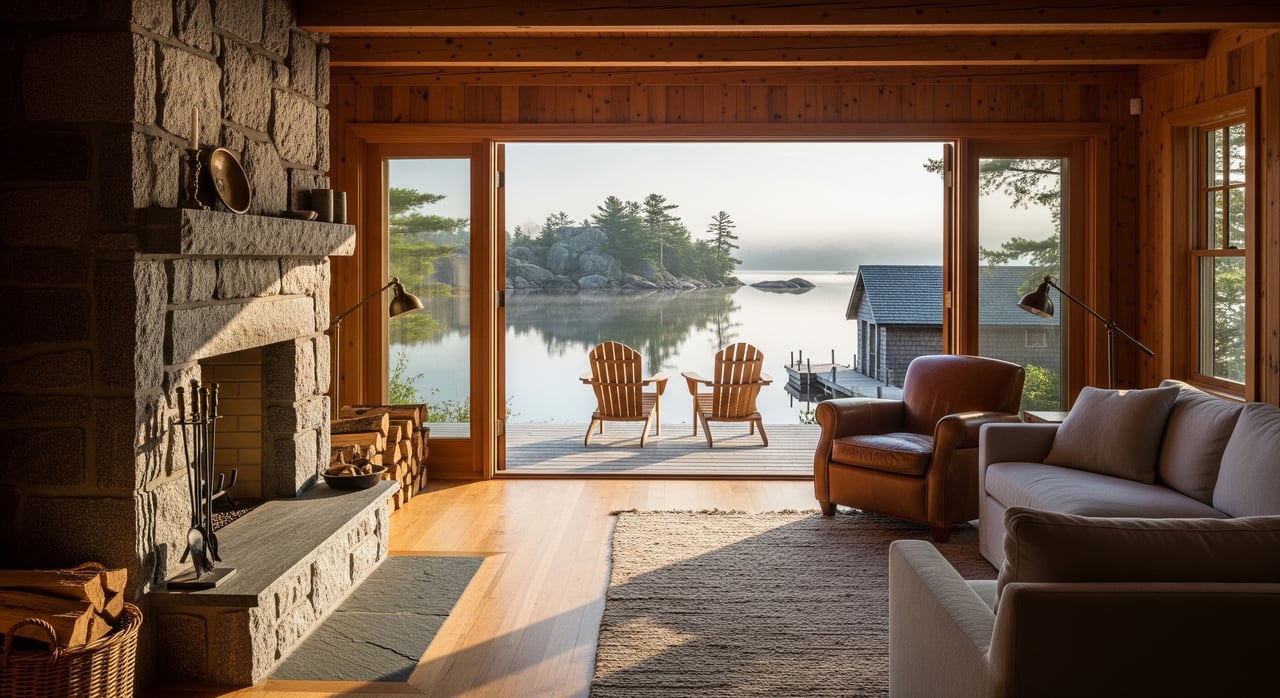
If you have ever watched boats glide past a dockside patio while the sun drops behind the islands, you know Lake Muskoka has its own rhythm. It feels both casual and storied at once. You come for quiet mornings and wide water views, then discover a community that moves by boat as easily as by car. In this guide, you’ll see how the classic cottage lifestyle plays out on Lake Muskoka, what makes it distinct among the Big Three, and how to enjoy it with confidence. Let’s dive in.
What sets Lake Muskoka apart
Lake Muskoka is the southern gateway to the region’s Big Three lakes and is the largest by surface area. It sits roughly two to three hours north of the Greater Toronto Area. Its broad reaches, deep bays and island clusters create natural channels that shape daily life and boating patterns.
A larger, connected playground
You navigate between communities and cottage bays more by minutes on the water than by kilometers on a map. Port Carling, Gravenhurst and Bala serve as hubs that anchor provisioning, dining and events. The lake’s layout invites short hops for coffee, longer runs for lunch, and slow cruises at sunset.
Heritage and the “Millionaire’s Row” mystique
Since the late 19th century, Muskoka has drawn well-heeled summer residents who commissioned grand cottages and boathouses. The evocative phrase “Millionaire’s Row” appears in local and historical descriptions for stretches of shoreline across the Big Three, including select parts of Lake Muskoka. You still see the hallmarks today: timber-frame and stone cottages, boathouses with architectural detail, and an easy tradition of dockside socializing.
Boat-to-town life: daily rhythms
The water-first routine is one of Lake Muskoka’s defining traits. Many owners arrive, shop, meet friends and head to events by boat as readily as by road.
Port Carling: locks and a lively hub
Port Carling is the central gateway that connects the Big Three by channels, locks and lift or swing bridges. Boat traffic naturally converges here, which makes it a social focal point with marinas, restaurants and everyday services. Public docks and marina slips are part of the normal routine, especially on warm weekends.
Gravenhurst’s Muskoka Wharf scene
At the south end of Lake Muskoka, the Muskoka Wharf in Gravenhurst combines culture and convenience. It is a base for marinas, food and regular events. You can also see the region’s heritage up close with the historic steamships RMS Segwun and Wenonah II that operate from this waterfront.
Bala: falls, festivals and easy access
On the northwest end of the lake, Bala offers boating access near the Bala Falls area and a compact town center. In peak season it is busy with visitors and boaters who come for dining and summer events. Short runs to and from Bala are common for supplies or a relaxed patio stop.
Simple routines that define the day
- Morning: a quick boat run for groceries or a bakery stop.
- Midday: a sheltered bay swim or dockside lunch.
- Evening: a return cruise under a soft sky, timing channels to avoid the busiest windows on long weekends.
Navigating routes and favorite runs
Understanding the lake’s geography helps you plan smooth days and relaxed outings.
Channels and choke points
Shoreline narrows and island clusters create the principal boating routes between Port Carling, Gravenhurst and Bala. The Port Carling locks and bridge system concentrate traffic, which adds energy to the scene and rewards a little timing strategy. Many owners plan passages early or later in the day during holidays.
Classic loop cruises and anchor spots
Owners often combine open-water runs with sheltered-bay time. A typical loop might be a late-morning cruise from a mid-lake cottage to Port Carling for lunch, followed by a slow island tour and a quiet anchorage for a swim. Protected coves make anchored lunches and social stops both practical and popular.
Safety basics on busy water
Narrow channels, bridge approaches and near-shore areas often have speed and wake restrictions. Channel markers guide navigation, and local signage reinforces rules set by national and municipal authorities. Staying alert to posted limits near docks and in narrows keeps the lake enjoyable for everyone.
Classic cottages, modern comforts
Lake Muskoka blends heritage character with contemporary comfort, which you can feel in the architecture and the way spaces are used day to day.
Signature Muskoka architecture
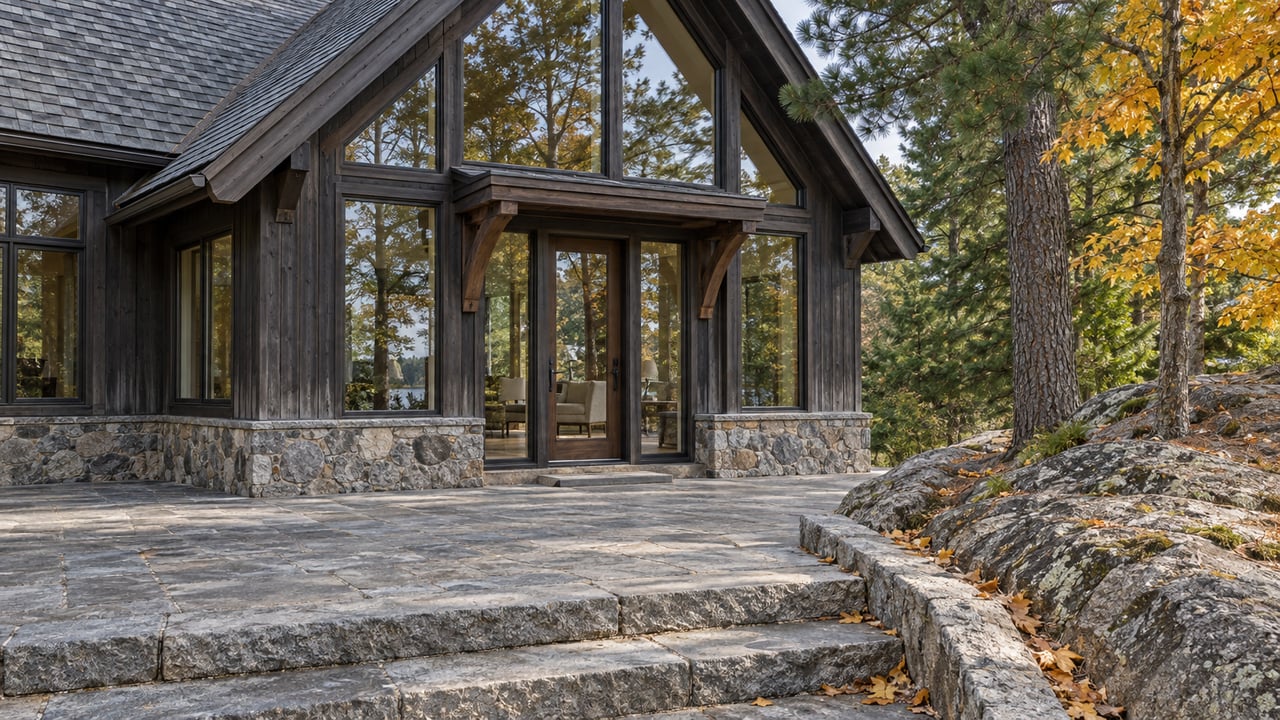
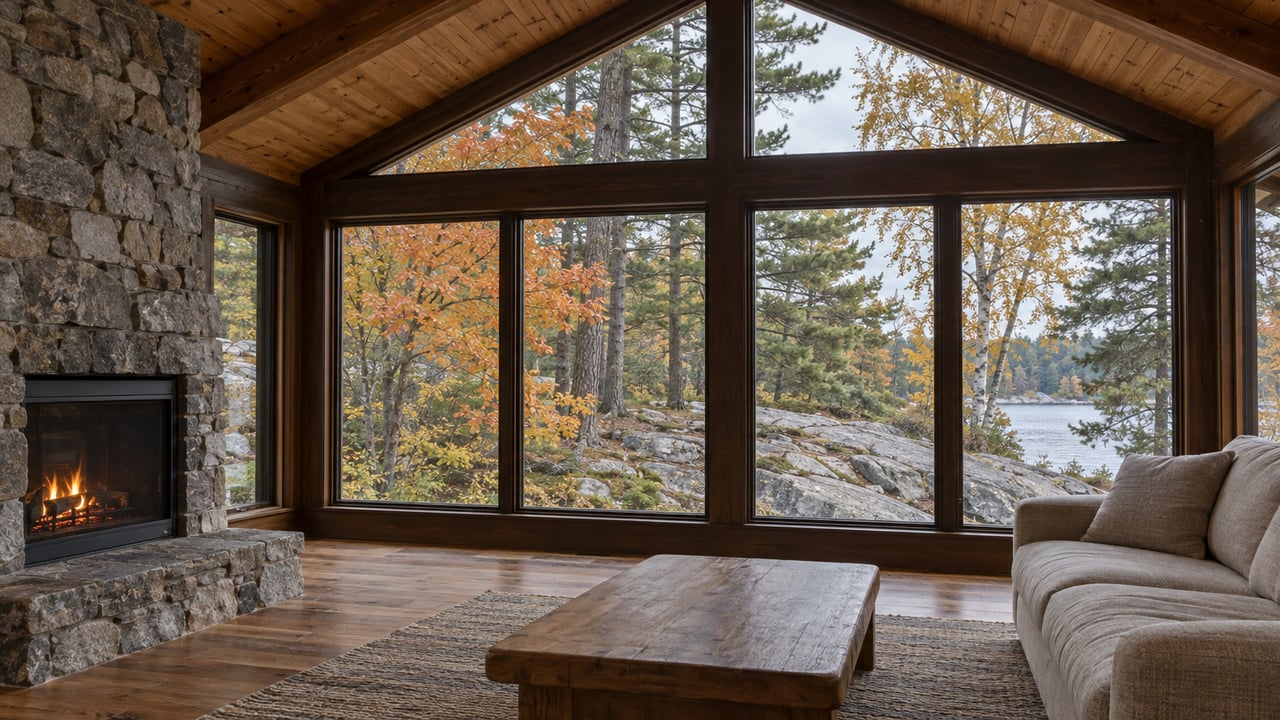
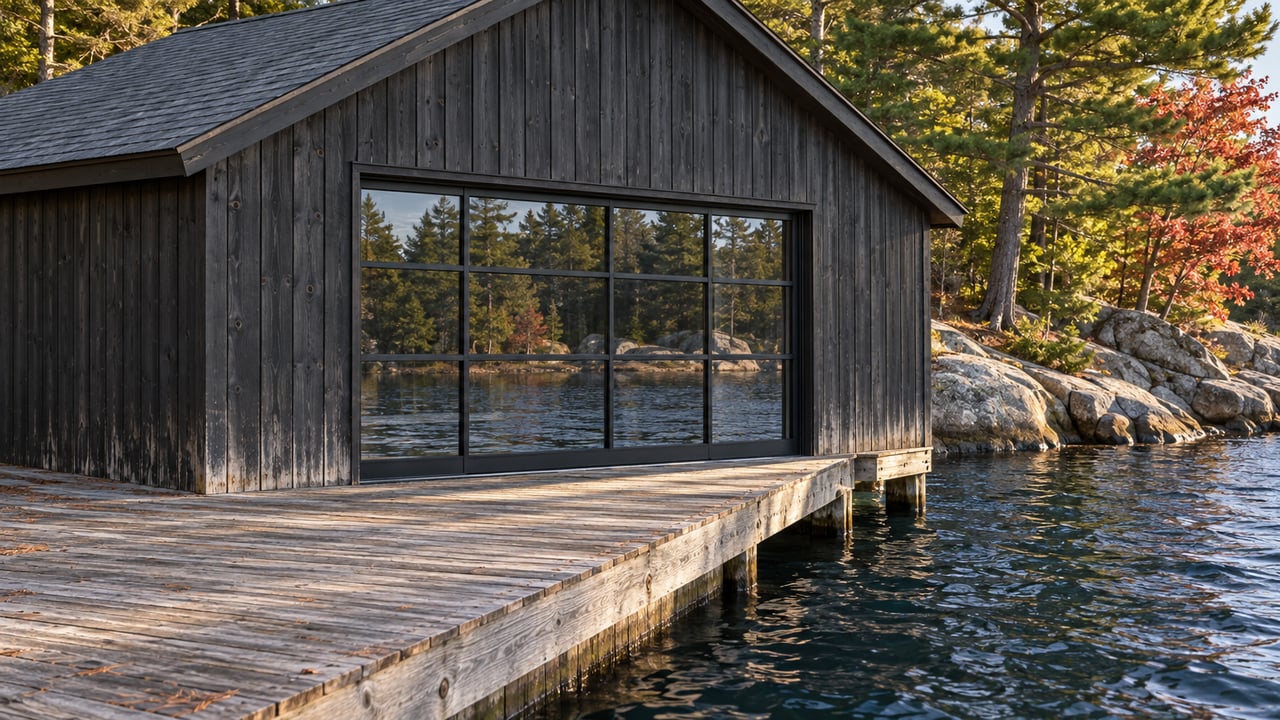
Classic cottages feature timber-frame or log details, stone fireplaces and broad screened porches. Boathouses often include storage or guest spaces, and docks are extensions of daily life. Native stone, cedar siding and generous lake-facing decks are common and timeless.
Contemporary upgrades buyers expect
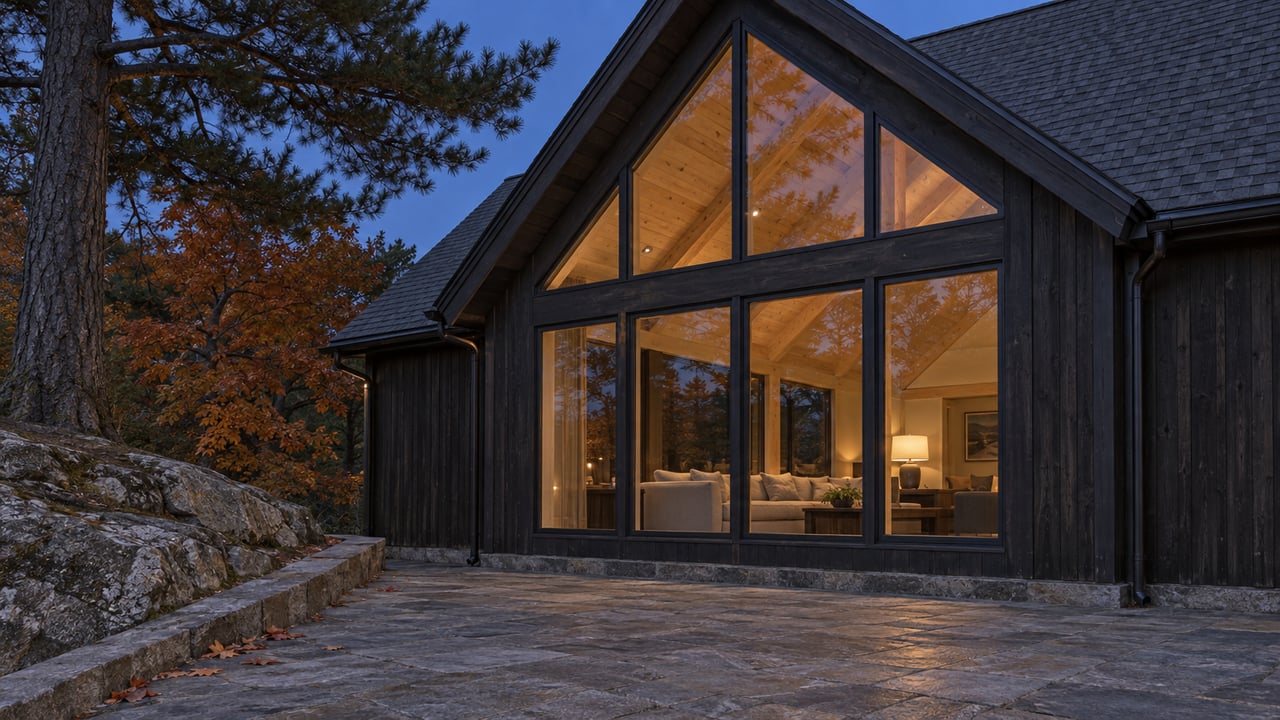
Recent years have brought all-glass lake walls, open kitchens and high-end systems that support extended or year-round use. Boathouses may have integrated lifts, composite decking and subtle lighting that frames the evening shoreline. Many owners also invest in sustainability features such as efficient woodstoves, heat pumps, improved insulation and septic systems designed with water quality in mind.
Year-round conversions are rising
There is a clear trend toward converting seasonal cottages into year-round homes. That typically means stronger foundations, heated plumbing, better insulation and higher-capacity septic solutions. It can also require municipal permits and, in some cases, driveway or road improvements so winter access is dependable.
Stewardship, permits and best practices
Cottage ownership on Lake Muskoka carries a stewardship mindset. The rules and norms are designed to protect shorelines, water quality and the character of the lake.
Shorelines, septic and approvals
Setbacks, shoreline work and septic systems are regulated by the District Municipality of Muskoka and local municipalities. Many projects, including docks and boathouses, require permits before you build or alter the shoreline. Early planning helps align design goals with local bylaws.
Water quality and lake associations
Local organizations emphasize good practices for the long term. Shoreline vegetation, responsible wake management and invasive-species awareness are common themes in lake stewardship. Owners often look to community groups and municipal resources for guidance on best practices.
Work with specialists who know the water
Environmental consultants, builders and surveyors who specialize in waterfront projects can help you anticipate seasonal water levels, ice effects and logistics. An experienced real estate team can coordinate these partners so your plan stays compliant and on schedule.
Buyer and seller playbook
When you know the rhythms of the lake, your decisions become clearer. Here are practical ways to move forward with confidence.
Smart steps for buyers
- Clarify your boating routine. Decide whether you want quick town access, quieter bays or a balance of both.
- Map your marina plan. Confirm fuel, service and winter storage with a nearby marina.
- Review permits and history. Ask for building, septic and dock permits and any environmental reports.
- Plan for seasonality. Consider winterization and access if year-round use is on your list.
- Lean on local knowledge. A Muskoka-focused agent can ground your search in real on-water context.
Insights for sellers
- Lead with the lifestyle. Showcase boat-to-town access, dock use and sunset views in your marketing.
- Highlight upgrades. Year-round systems, renovated kitchens and well-maintained docks and boathouses are major value drivers.
- Prepare documentation. Gather permits, septic reports and service records to build buyer confidence.
- Stage the shoreline. Tidy paths, clear dock lines and present clean, safe access to the water.
Common ownership questions
- How much do waterfront properties cost? Prices on the Big Three are premium and vary widely by bay, frontage, improvements and heritage appeal. A current market review is essential.
- Can you arrive by boat and park on shore? Many cottages offer both road and dock access. Towns provide public docks, with local rules for length of stay.
- Are short-term rentals allowed? Rules vary by municipality, and some require licensing. Always verify locally before assuming rental income.
How The Blair Group helps you live it
Owning on Lake Muskoka is about more than a property. It is about the freedom to move by water, the comfort of a well-designed cottage and confidence in the details you cannot see from the shoreline. As seventh-generation cottagers with decades of sales and on-water experience, we run a boat-first showing model that orients you to real boating routes, seasonal rhythms and the towns you will use most. Our content-first marketing, discreet exclusive previews and post-sale network of trusted builders and service partners help you step into the Muskoka lifestyle with ease.
When you are ready to explore, request a private consultation with The Blair Group. We will curate the right shortlist, guide you by water and steward every step to a confident decision.
FAQs
How is Lake Muskoka different from Rosseau and Joseph?
- Lake Muskoka is generally more expansive with larger town hubs at its south and center, while Rosseau and Joseph are known for many of the region’s most historic estates; all three share a connected boating culture.
Where can you dock when boating into town on Lake Muskoka?
- Most hubs provide public docks and marinas, with Port Carling and Gravenhurst offering prominent facilities; always check posted rules for time limits and overnight stays.
What seasons are practical for cottage use on Lake Muskoka?
- Peak use runs late spring through early fall, and many owners extend into shoulder months or convert for year-round living with proper winterization.
Who sets and enforces boating and shoreline rules on Lake Muskoka?
- National navigation rules and municipal bylaws apply, supported by local signage in channels and near docks, along with conservation guidance for shoreline practices.
What should Lake Muskoka buyers verify before making an offer?
- Confirm zoning and permits, septic capacity, shoreline setbacks, marina support, and any improvements needed for year-round use or compliance with local rules.