Why does one Muskoka cottage sell for millions more than another with similar frontage? If you are buying or selling on this lake, price gaps can feel mysterious. The truth is, a handful of site features, location nuances, and regulatory details have an outsized impact on value. This guide breaks down the real drivers so you can read listings with confidence and make smart decisions. Let’s dive in.
What really drives price in Muskoka
Muskoka attracts several buyer types, from year-round luxury homeowners to seasonal cottage buyers and legacy families selling long-held properties. Demand often intensifies in spring and early summer, and truly premium parcels remain limited. Buyers consistently pay premiums for privacy, turnkey readiness, and quality on-water infrastructure. Proximity to key hubs like Port Carling and Bala also adds value due to services, dining, marinas, and social life.
Frontage and usable shoreline
Frontage is a headline metric, but usable frontage is what you should price. A long lot line that is steep or shallow can be worth less than a slightly shorter shoreline that is level and deep. Sandy or gradual sand-gravel entries appeal to swimmers, while rock and ledge can trade on views and privacy but may limit swimming or dock placement.
Depth matters. Deep-water frontage supports larger boats and easier access, which increases value. Gentle slopes with direct access are preferred, while steep terrain can limit daily use even if the view is dramatic.
Sun exposure and wind
Orientation shapes daily enjoyment and resale appeal. South- and west-facing exposure bring longer light windows and warmer swimming, and sunsets often command a premium. Consider wind and fetch as well. Long, open water can bring bigger waves, while sheltered coves offer calmer conditions for swimming and small craft.
Docks and boathouses
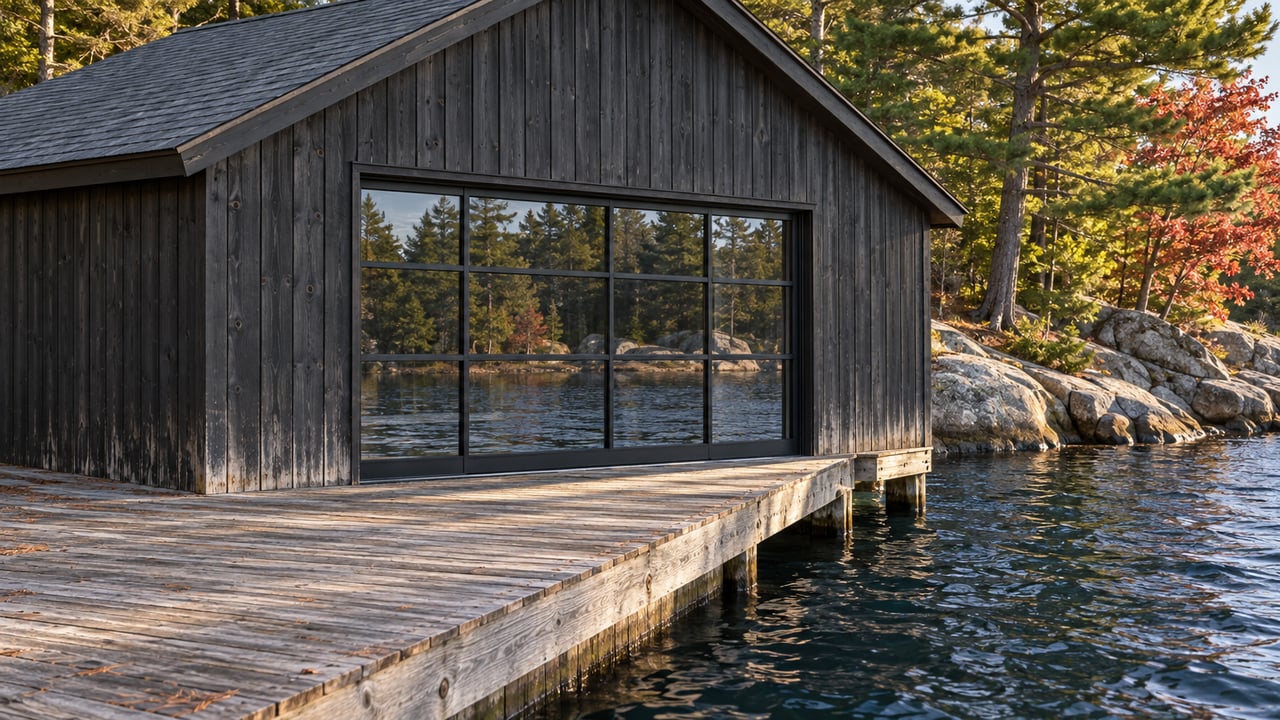
On-water infrastructure can shift value more than many interior finishes. A boathouse with finished space, multiple slips, and practical features like upper bedrooms can be a major price lever. Many older boathouses are legal non-conforming, so status and condition matter for value and financing. Dock orientation, slip count, and water depth at slips are high-impact details.
Buildings and turnkey readiness
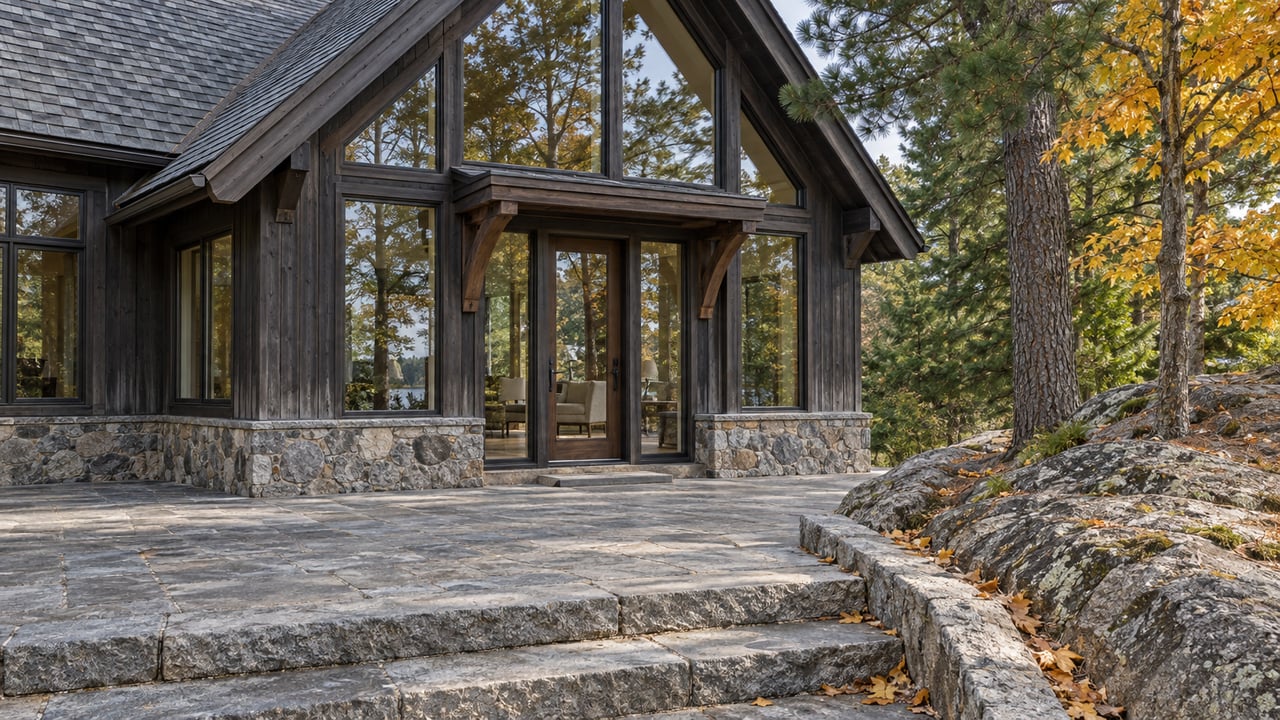
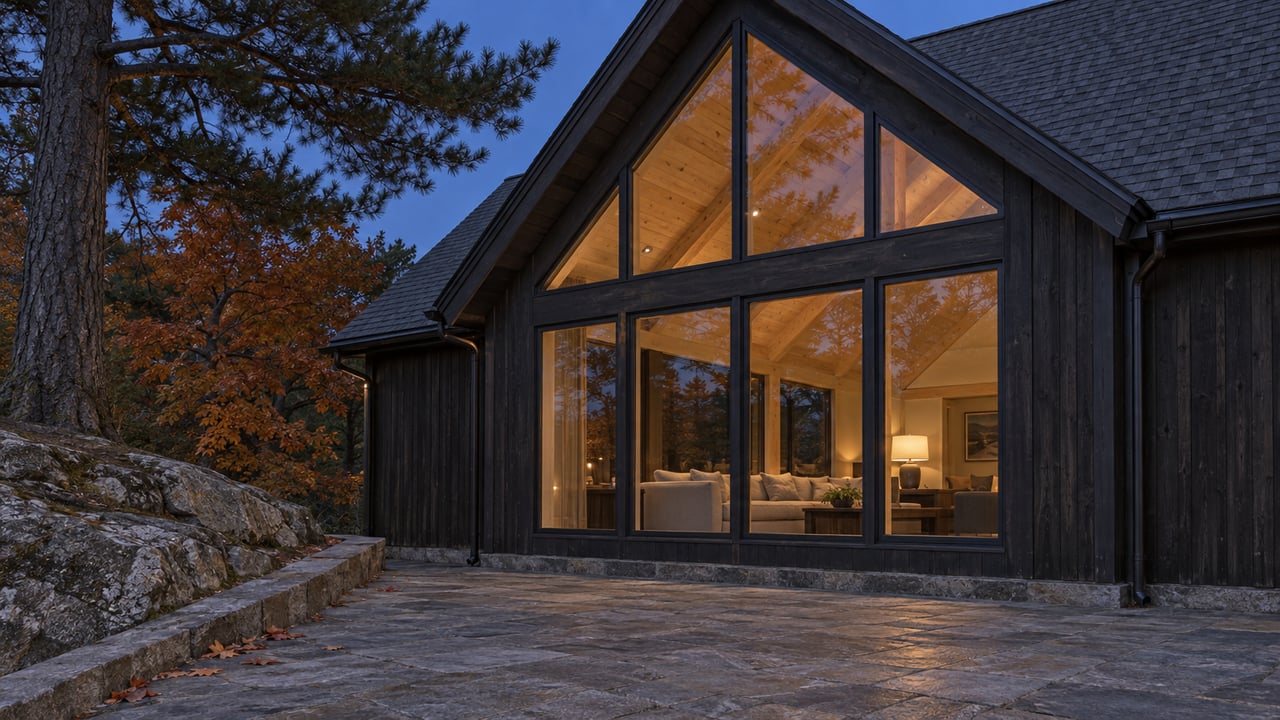
A high-quality, year-round home with modern mechanicals and year-round systems typically commands a meaningful premium. Finished guest cottages, staff suites, and well-built garages add versatility and value. Rustic or deferred-maintenance structures can trade at a discount relative to land value, especially if upgrades are limited by setbacks or lot coverage.
Privacy, trees, and views
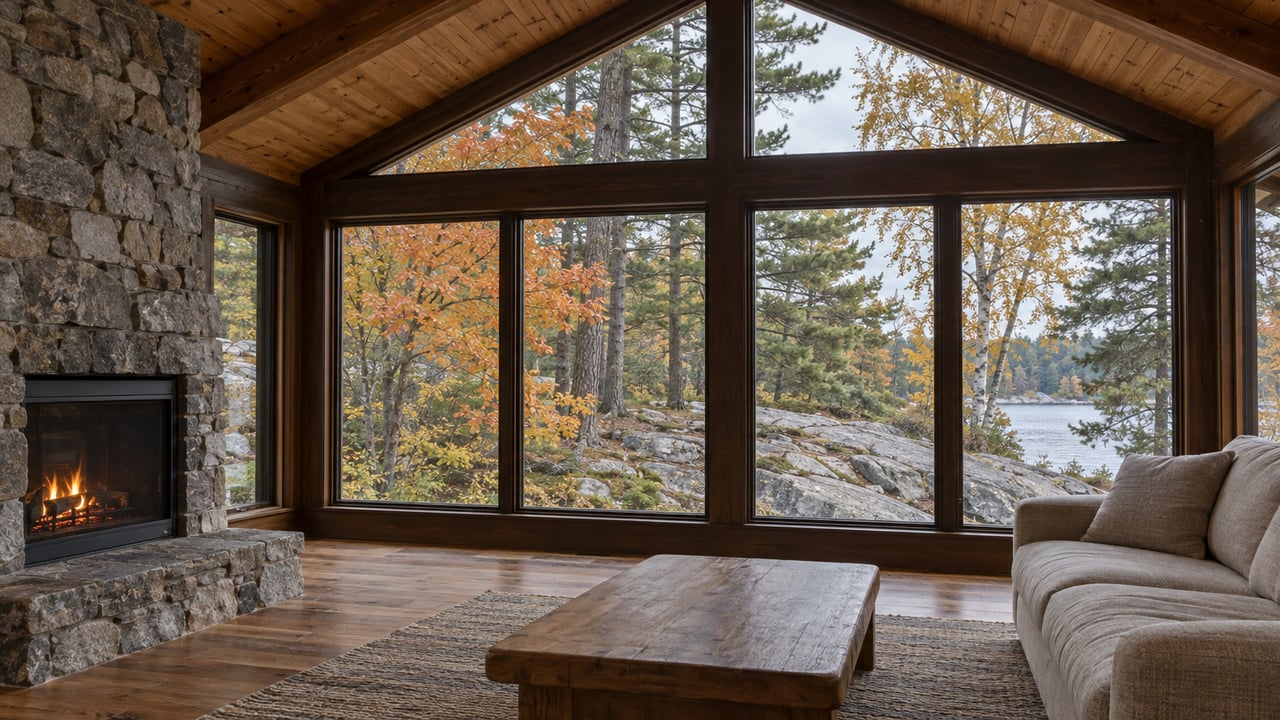
Mature trees and natural shoreline buffers enhance privacy and the Muskoka feel. At the same time, shoreline naturalization rules can limit removal, which preserves character but can affect future plans. Long lake views and unobstructed sightlines often show up in pricing, especially in the upper tier.
Location and access
Mainland parcels provide road access, easier deliveries, snow clearing, and year-round convenience. Whereas islands can earn premiums for privacy and panorama, but boat logistics, utilities, and crossing times shape demand. Quick access to Port Carling and surrounding towns boosts appeal for services and social life, and mid-lake locations with easy boating to Lake Rosseau and Lake Joseph are prized for range and connectivity.
Regulation, environment, and carrying costs
- Permits and setbacks. Municipal bylaws, district rules, and provincial guidance shape what you can build or rebuild. Legal status of existing docks and boathouses matters for financing and future work.
- Septic and water. System age, capacity, and condition influence value and insurance. Modern, inspected systems support year-round use.
- Conservation and vegetation. Shoreline protection and tree policies can limit removal and new structures, reducing speculative upside while conserving lake character.
- Insurance, taxes, and upkeep. Waterfront properties can carry higher premiums and maintenance. Buyers weigh these in total cost of ownership.
How to read a listing like a pro
Use this quick filter to translate marketing into value:
- Frontage: verify linear feet and describe actual shoreline type and depth profile.
- Exposure: note cardinal direction and whether the site is sheltered or wind-exposed.
- Boathouse and docks: confirm permits or legal non-conforming status, slip count, and condition.
- Access: island or mainland, with realistic boat or drive times to Port Carling.
- Buildings: year-round standard, mechanicals, guest accommodation, and build quality.
- Privacy and views: neighbor density, tree buffers, islands in sightline, and vista length.
- Regulations: zoning, lot coverage, setbacks, conservation overlays, and shoreline policies.
- Utilities and services: electrical, generator or solar, internet, and cellular reliability.
Buyer playbook: de-risk your purchase (We assist with all of this)
- Ask for the survey and confirm shoreline pins and any rights-of-way.
- Verify boathouse and dock status through municipal records before you firm up.
- Arrange conditional inspections that include docks, boathouse structure, and septic.
- Request recent water-level or erosion notes and maintenance history.
- Get insurance pre-approval for home and on-water structures.
- Clarify transit times by boat and road to Port Carling, Bala, and essential services.
Seller playbook: prepare to maximize value (We assist with all of this)
- Highlight usable frontage, exposure, water depth at the dock, and boathouse features.
- Note travel times by boat and road to Port Carling and Bala, plus mid-lake connectivity.
- Gather documents: septic certifications, permits, surveys, and any shoreline reports.
- Within local bylaws, tidy the shoreline and staging areas to showcase access and views.
- If unique features defy easy comps, lean on experience that can translate them into price.
Trade-offs to consider
Bigger is not always better. A modest frontage with south-facing, sandy entry and quick boat access to Port Carling can trade higher than a longer but steep, north-facing shoreline. A multi-slip boathouse may outweigh a larger main cottage. Think in terms of everyday use, long-term flexibility, and replacement complexity.
Why work with local expertise
In Muskoka, the difference between a good result and a great one often comes down to nuance: usable shoreline, legal status, and practical logistics. You deserve a partner who knows how to read the water and the bylaws, who can stage and tell the property’s story, and who can conduct discreet, boat-first showings. If you are weighing a purchase or preparing to sell, connect with The Blair Group for a confidential valuation or an exclusive listing preview tailored to your goals.
FAQs
What affects per-foot pricing in Muskoka?
- Usable frontage, exposure, water depth, and permitted on-water structures influence per-foot pricing more than acreage alone.
How do island properties compare to mainland values?
- Islands usually trade for 40-60% of the price for the same offering on the mainland. But it depends on if its vacant, built, or private island.
What should you verify about structures on the property before offering?
- Confirm permits or legal non-conforming status, condition, dock specs, etc.
Does proximity to Port Carling change value?
- Shorter boat and drive times to town hubs typically increase desirability due to marinas, dining, shopping, and social amenities.
Which environmental factors can reduce usability or add cost?
- Shallow or algally prone shorelines, water-level swings, and storm exposure can affect recreation and maintenance.
What documents should Muskoka sellers prepare?
- Survey, septic records, permits and approvals, shoreline or engineering reports, and insurance history help buyers underwrite value quickly.