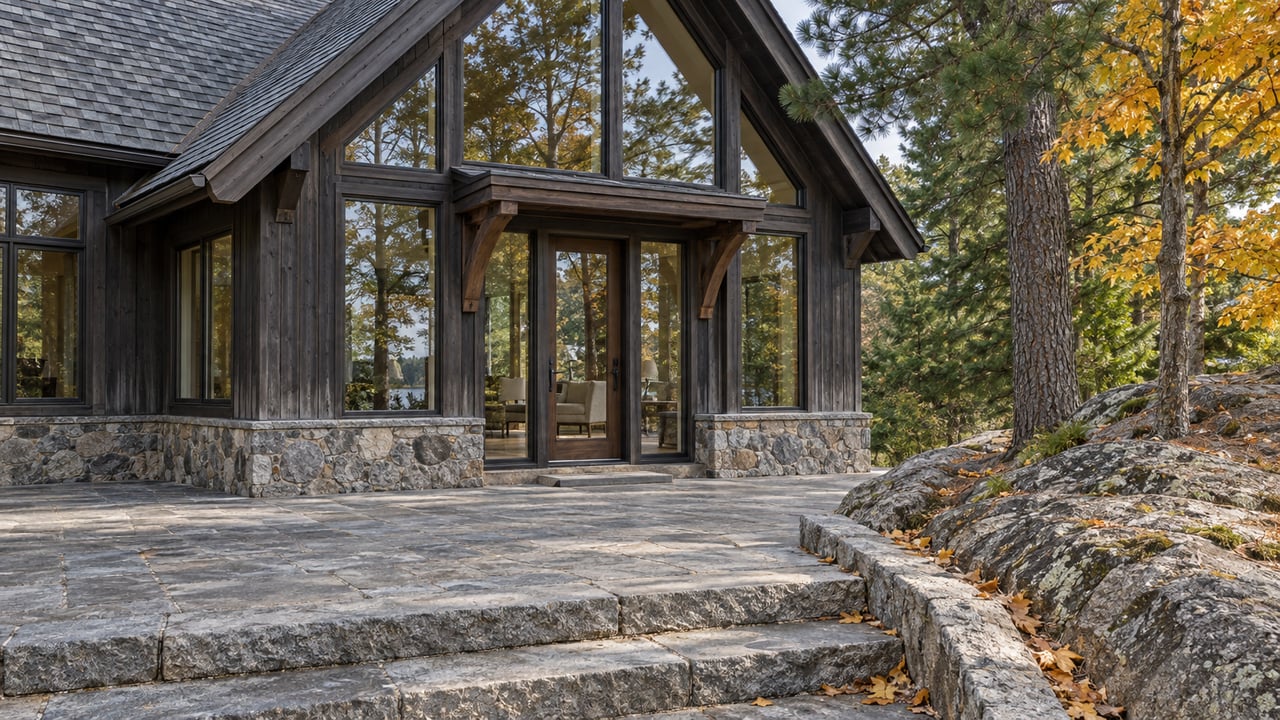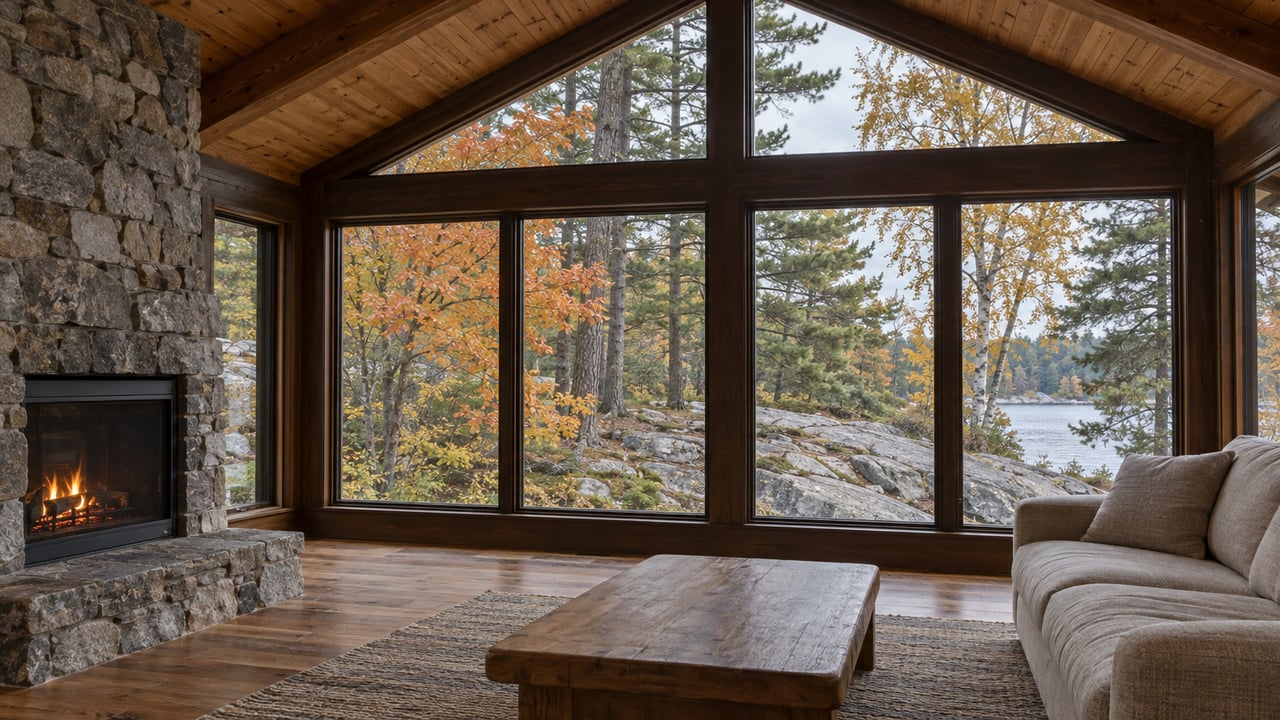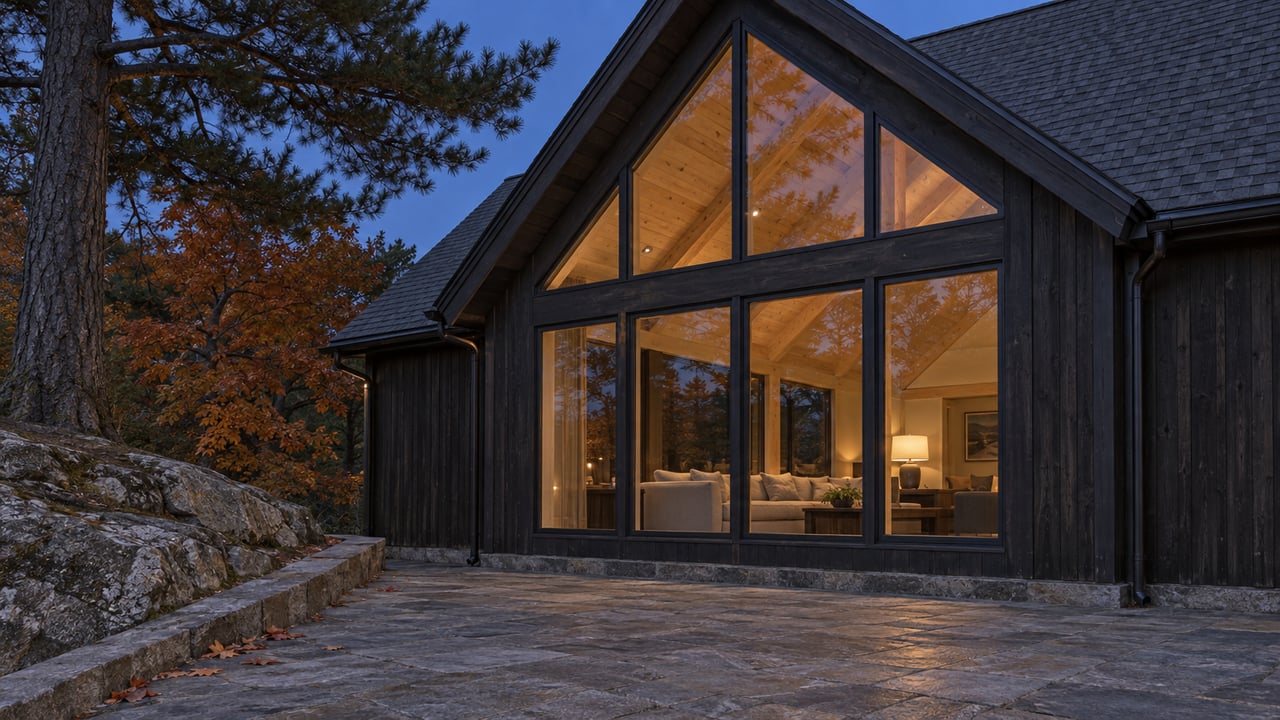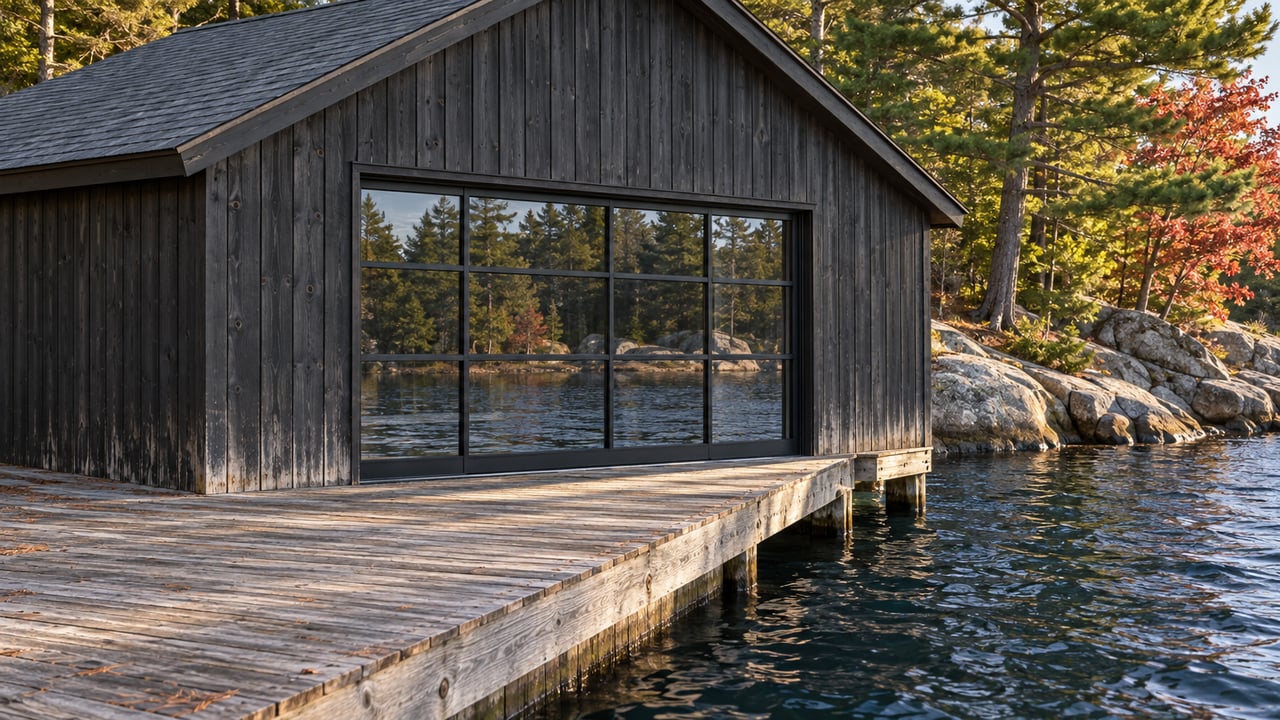
Thinking about parting with your Lake Rosseau cottage this season? You want a smooth, discreet sale that respects your family’s legacy and delivers top value. The right preparation makes that outcome far more likely, especially in today’s market. In this guide, you’ll learn exactly how to get your documentation in order, decide what to repair, stage for premium results, and plan boat and road access that makes showings seamless. Let’s dive in.
Lake Rosseau market context
Buyers remain active around the Big Three lakes, but the broader waterfront market has cooled from the pandemic peak. Regional reports show more inventory and longer days on market in 2024–2025, which gives buyers more room to negotiate. Well prepared listings still stand out. According to a recent regional update, months of inventory and days on market have risen, so presentation and pricing discipline matter more than ever (Muskoka & Parry Sound market update, Q1 2025).
The takeaway for you: a complete paper trail, rock‑solid compliance on shoreline structures, and best‑in‑class staging and media help protect your price and shorten time on market.
Get your paperwork ready early
Well before photos or showings, assemble a clean information package. This shortens due diligence, reduces renegotiations, and signals quality.
Title, taxes, and assessments
- Confirm the current title/deed, legal owners, and any easements or encumbrances.
- Pull recent municipal tax information and confirm no arrears. Buyers’ lawyers often request a tax certificate at closing.
- Add your MPAC assessment summary for context, along with any road or association documents if applicable.
Surveys, permits, and shoreline files
- Locate your survey or reference plan, or commission a sketch if unavailable. Buyers often ask to see measured frontage, shoreline, and any encroachments.
- Gather permits and completion documents for boathouses, docks, additions, and enclosed waterfront structures. The Township requires permits for many shoreline structures, and buyers’ counsel will check the municipal file. You can reference the Township’s fee schedule as a signpost for permitting scope (Township building and dock/boathouse fees).
Septic and systems
- Collect septic installation documents, site plans, and pump‑out receipts. Ontario does not require a universal septic inspection at resale, but many buyers and lenders want evidence that the system works. Keeping recent records helps reduce risk discounts (Ontario septic guidance).
- Pull past service invoices for heating, electrical panels, and any mechanicals buyers may ask about.
Voluntary disclosures and legal caution
Ontario’s Seller Property Information Statement (SPIS) is optional. It can answer common questions, but it can also increase legal exposure if any answer is inaccurate. Consider legal advice before you complete it. Some sellers choose to share a third‑party pre‑listing inspection instead, which provides neutral documentation. For background, review a practical overview and legal commentary on SPIS risk (SPIS overview, legal caution).
Fix first, then finesse
Address items that affect safety, legality, or water integrity before you touch cosmetic details. Luxury buyers expect high finish, but they also pay a premium for certainty.
Shoreline safety and compliance
- Inspect docks, boat lifts, and boathouse structure for safety and function. Tighten handrails, replace loose boards, and test lifts.
- Verify permitting and status of all shoreline structures. If a structure is legally non‑complying, document the municipal file so buyers and their lawyers can confirm status. Start with the Township’s building and shoreline fee schedule to understand the scope of permitted work in the area (Township fees and permits).
Septic, roof, and major systems
- If your septic is older or usage has changed, schedule a pump‑out and consider a professional inspection. A recent, clean report reassures buyers (Ontario septic guidance).
- Repair roof leaks, address moisture issues, and service heating systems before listing. Industry data shows pre‑listing preparation reduces surprises that derail deals, and staging plus strong media help speed sales (NAR staging report highlights).
Discreet visual upgrades
- Refresh high‑traffic areas with minor paint touch‑ups and updated lighting where needed.
- Tidy the shoreline and landscape for photos and showings. Keep the natural shore, and avoid removing native vegetation without checking local rules. Municipal guidance highlights that shoreline alterations can require approvals (Township staff report on shoreline provisions).
Stage and market for premium results
Your buyer likely starts online. They want to see water exposure, privacy, quality dock and boathouse infrastructure, and a turn‑key feeling that invites them to step into the Muskoka lifestyle.
Media that earns attention
- Commission high‑resolution interior photography plus twilight exteriors to capture lake reflections. Data from industry reports links staging and professional media to shorter market times and stronger offers (NAR staging insights).
- Add drone and aerial video to show frontage, neighbours, and exposure.
- Include a 3D tour and a narrated video walk‑through. Studies associate 3D tours with faster sales and modest price gains, and they help remote buyers evaluate with confidence (3D tour performance data).
- Provide floor plans and a one‑page technical summary that lists system ages, recent upgrades, and any known constraints or permits.
A focused staging checklist
- Edit each room to highlight views, scale, and finish. Keep a few quality accents like fresh linens and a simple tabletop setting. Staged rooms help buyers visualize the property’s potential (NAR staging insights).
- Stage outdoor living: clean the deck and dock, set Muskoka chairs, coil hoses, and remove tools or stacked firewood for photography.
- If the cottage is vacant, consider a hybrid approach with selective physical staging of key spaces and carefully disclosed virtual staging for the rest.
Pricing and privacy strategy
Work with your agent to decide between full public exposure or a more private campaign. Many luxury sellers prefer a measured approach that pairs a public listing with a confidential, by‑request package for qualified buyers. The right strategy for you depends on your privacy preferences, the uniqueness of your shoreline, and current buyer demand.
Plan boat and road access like a pro
Showings around Lake Rosseau often involve both water and road logistics. A little planning protects safety and sets the tone for a premium experience.
Locks, bridges, and timing
- Build local lock and bridge schedules into your plan, especially if an optimal route passes through the Port Carling system. Seasonal staffing and peak times can affect travel windows, so schedule thoughtfully (local operations context).
- Know the nearest public launches, marinas, and permitted parking options. Township guidance notes limits on loading zones and parking near docks and ramps, so provide clear instructions to visiting agents (Township staff report on docks and parking).
Safe, seamless boat transfers
- Use an insured, professional operator for buyer transport by water. Provide life jackets, non‑slip mats, and clear boarding instructions.
- Share a short access plan with the buyer’s agent that covers pickup location, timing, contact numbers, and any weather contingencies.
Road access and private lanes
- Confirm private road maintenance arrangements, gate codes, snow removal if applicable, and guest parking expectations.
- Provide simple driving directions and a contact for on‑property arrival. Include emergency egress notes for peace of mind.
Your pre‑listing checklist
Use this list to keep your preparation on track:
- Assemble core documents: deed, any easements, recent tax info, MPAC summary, survey or reference plan.
- Gather municipal files: permits and completion documents for boathouse, docks, additions, or enclosed shoreline structures. Note file numbers for easy reference (Township permits and fees).
- Compile septic records and pump‑out receipts, and book a septic check if age or usage is uncertain (septic guidance).
- Consider a pre‑listing home inspection, then handle safety and moisture issues before photos (staging and prep insights).
- Decide on SPIS. If you proceed, do it with legal advice, or provide a third‑party inspection and a concise disclosures schedule instead (SPIS overview, legal caution).
- Book media: pro photography including twilight, drone, and a 3D tour with a luxury‑experienced team (3D tour performance data).
- Complete discreet fixes: dock safety items, loose railings, minor paint touch‑ups, landscape tidy. Keep receipts and warranties.
- Prepare a one‑page technical appendix summarizing system ages, upgrades, permits, and the legal status of shoreline structures.
- Plan showings logistics: select time windows, confirm any lock or bridge timing, pick your marina or launch, and list parking options (docks and parking guidance).
- Align pricing and strategy with a local luxury agent who understands Lake Rosseau’s shoreline nuances and today’s buyer expectations (regional market context).
Ready to take the next step with a partner who knows these waters, the permitting landscape, and how to tell a cinematic story that moves premium buyers? Reach out to The Blair Group for a confidential conversation about valuation, strategy, and a boat‑first showing plan that fits your goals.
The Blair Group is a seventh‑generation, Muskoka‑focused luxury waterfront team with a content‑first marketing engine, private showing model, and deep local networks. If you want measured exposure, white‑glove service, and results that respect your legacy, we would be honored to help.
FAQs
Is the SPIS required when selling a Lake Rosseau cottage?
- No. The Seller Property Information Statement is voluntary in Ontario, and legal commentators advise caution because incorrect answers can create liability; speak with your lawyer before completing it (SPIS overview, legal caution).
Do I need a septic inspection before listing my cottage?
- Not universally, but a recent pump‑out and inspection can reduce buyer risk and speed negotiations; check local expectations and keep clear records (Ontario septic guidance).
Which permits could delay closing on Lake Rosseau?
- Unpermitted or non‑compliant boathouses, expanded docks, or shoreline alterations are common red flags; document municipal file numbers and permit history early (Township permits and fees).
How do boat‑access showings work on Lake Rosseau?
- Use an insured professional operator, schedule around lock and bridge peak times, provide life jackets and boarding instructions, and share a written access plan with the buyer’s agent (local operations context).
Will staging and media really impact my sale price and timing?
- Yes. Industry data links staging and superior digital marketing to faster sales and modest price gains, especially for high‑expectation luxury buyers; 3D tours can also help listings sell faster (NAR staging insights, 3D tour performance data).